
Understanding Why Electrolyte Products Are Becoming More Specialized
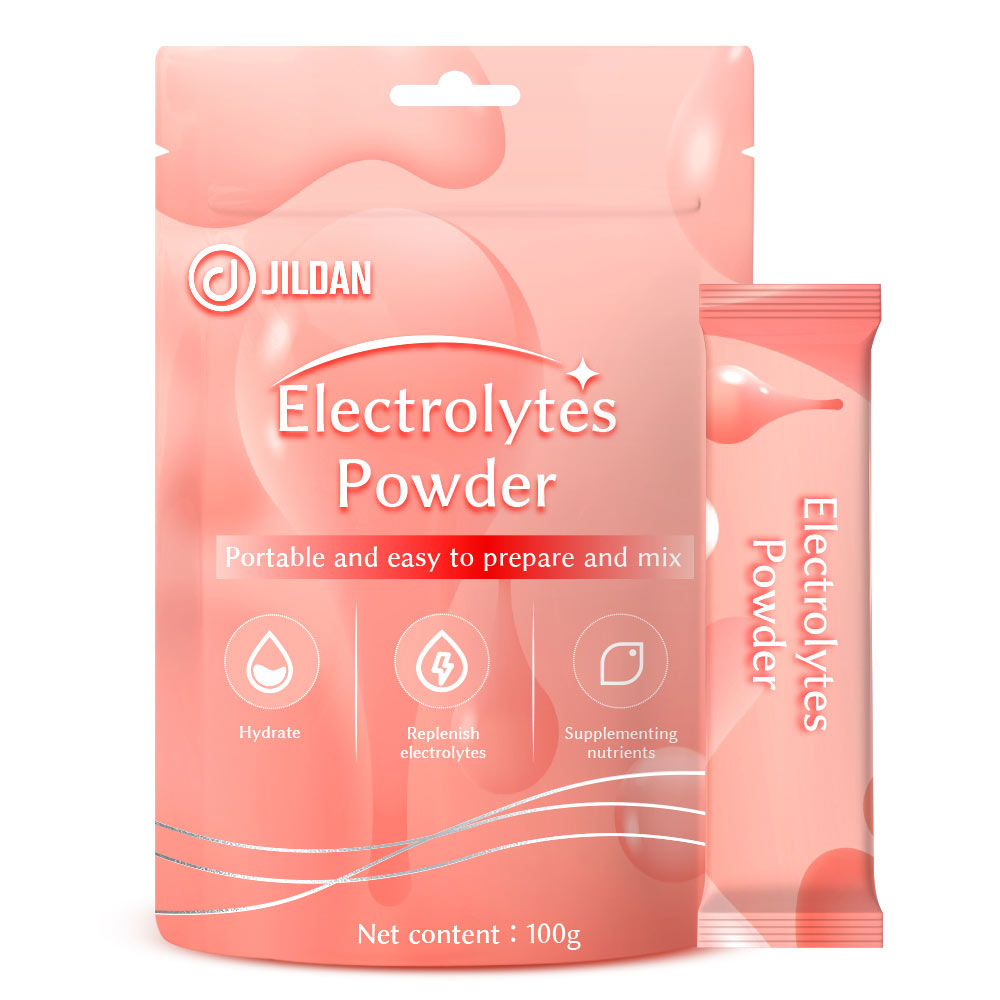
The hydration supplement market is changing.
In the past, electrolyte products were mainly associated with endurance athletes and intense physical activity. Today, consumer demand has expanded into everyday wellness, outdoor lifestyles, fitness routines, and convenient nutrition.
This shift has created new opportunities for brands developing electrolyte powder supplements.
However, modern consumers are no longer looking for one universal hydration product. Different users have different expectations based on their lifestyle, activity level, and wellness goals.
For supplement brands, creating a successful electrolyte product requires more than combining minerals into a powder formula. Brands need to understand their target customers, choose suitable ingredients, and develop products that match specific usage scenarios.
This article explores how brands can approach electrolyte supplement development from a consumer-focused perspective.
Why One Electrolyte Formula Cannot Meet Every Consumer Need
The hydration market is becoming more segmented.
A professional athlete, an outdoor enthusiast, and a consumer looking for daily wellness support may all purchase electrolyte products, but their expectations can be very different.
For example:
- Athletes may focus on mineral replacement during intensive activities.
- Outdoor users may prioritize portability and convenience.
- Wellness consumers may prefer balanced formulas suitable for daily routines.
Because of these differences, brands are increasingly developing specialized electrolyte powder supplements instead of generic hydration products.
A successful product strategy starts with answering three questions:
- Who is the target consumer?
- When will they use the product?
- What product experience do they expect?
Understanding these factors helps brands create formulas with clearer market positioning.
The Role of Sodium, Potassium, and Magnesium in Electrolyte Formulas
Electrolyte products typically focus on several key minerals, including sodium, potassium, and magnesium.
Each mineral has different characteristics that influence product formulation.
Sodium in Hydration Products
Sodium is commonly included in electrolyte formulas because it is an important mineral involved in fluid balance.
The amount of sodium used in a formula depends on the intended product positioning and target consumer.
Products designed for active lifestyles may require different considerations compared with everyday wellness products.
Potassium as a Functional Mineral
Potassium is another commonly used electrolyte ingredient.
Brands often include potassium when developing balanced mineral formulas designed for consumers interested in comprehensive hydration support.
Magnesium in Wellness-Focused Products
Magnesium is frequently used in wellness supplements because consumers are increasingly familiar with its role in nutrition.
Some brands combine magnesium with other electrolytes to create broader functional positioning.
According to information from the National Institutes of Health Office of Dietary Supplements, minerals such as magnesium and potassium are important nutrients involved in normal body functions.
For brands, the key challenge is creating a balanced formula that matches consumer expectations.
Developing Electrolyte Powder Supplements for Different Consumer Groups
A major advantage of electrolyte powders is flexibility.
Brands can create different products by adjusting formulas, flavors, packaging, and positioning.
Sports Performance Hydration Products
Sports-focused electrolyte products are designed around active consumers.
Important considerations may include:
- Mineral balance
- Easy preparation
- Portability
- Fast consumption
The product message usually focuses on supporting active lifestyles and training routines.
Everyday Wellness Hydration Products
A growing segment of consumers use hydration products as part of daily wellness habits.
These products often emphasize:
- Convenience
- Balanced nutrition
- Simple daily use
This creates opportunities for brands to move beyond traditional sports nutrition.
Outdoor and Travel Hydration Products
Outdoor consumers often value products that are lightweight and easy to carry.
Electrolyte powders are suitable for:
- Hiking
- Camping
- Travel
- Outdoor activities
Packaging and usability become especially important for this market segment.
Why Powder Format Remains Attractive for Hydration Brands

Among different supplement formats, powder continues to be popular for electrolyte products.
This is because powders offer several advantages.
Flexible Serving Options
Powder formats allow brands to create different serving sizes and product concepts.
Easy Product Customization
Brands can adjust:
- Flavor profiles
- Ingredient combinations
- Functional additions
Convenient Storage and Transportation
Compared with ready-to-drink products, powders are easier to package and transport.
This makes them attractive for supplement companies developing scalable product lines.
For companies interested in customized hydration products, working with an experienced manufacturer such as JD Nutra can help support formulation development, production, and quality management.
How Flavor Development Influences Electrolyte Supplement Success
Taste is one of the biggest factors affecting supplement satisfaction.
Electrolyte minerals can create unique flavor challenges.
A successful product requires careful balance between:
- Mineral ingredients
- Sweetness
- Acidity
- Natural flavors
Brands should consider consumer preferences when selecting flavors.
For example:
- Sports consumers may prefer refreshing flavors.
- Wellness users may prefer lighter everyday flavors.
- Outdoor consumers may prioritize simple preparation.
A technically effective formula still needs a positive consumer experience to succeed in the market.
Common Mistakes Brands Make When Developing Electrolyte Products
Developing electrolyte powder supplements requires more than following market trends.
Some common mistakes include:
Creating a Product Without a Clear Target Audience
A product designed for everyone may struggle to stand out.
Successful brands usually define a specific customer group first.
Adding Too Many Ingredients
More ingredients do not always create a better product.
Complex formulas may create challenges related to:
- Taste
- Stability
- Manufacturing
- Consumer understanding
Ignoring Packaging Requirements
Packaging plays an important role in supplement quality.
Brands should consider:
- Moisture protection
- Product convenience
- Storage conditions
- Consumer usability
How Brands Can Differentiate Their Electrolyte Powder Supplements
The electrolyte category continues to grow, but competition is increasing.
Brands need clear differentiation strategies.
Create Specific Product Positioning
Instead of competing with general hydration products, brands can focus on specific needs.
Examples include:
- Active lifestyle hydration
- Daily wellness hydration
- Travel-friendly hydration
Build a Strong Consumer Story
Consumers want to understand why a product fits their lifestyle.
Clear communication about ingredients, formulation, and usage helps build trust.
Combine Quality With Experience
Successful products balance:
- Ingredient selection
- Taste
- Convenience
- Brand identity
This approach helps create stronger long-term market value.
What Brands Should Look for in an Electrolyte Supplement Manufacturer
Choosing the right manufacturing partner is an important step in product development.
Brands should evaluate:
Formulation Support
A capable manufacturer should understand ingredient compatibility and product goals.
Quality Management
Consistent production processes help ensure reliable product performance.
Flexible Customization
Different brands may require different:
- Formulas
- Flavors
- Packaging options
A manufacturer with customization capabilities can help brands create more competitive products.
The Future of Electrolyte Powder Supplements

The future of electrolyte powder supplements is moving toward more personalized and lifestyle-focused products.
Instead of one general hydration solution, the market is likely to see more specialized products designed for different consumer groups.
Future opportunities may include:
- Personalized hydration formulas
- Combination wellness powders
- Functional electrolyte blends
- Lifestyle-specific hydration products
Brands that understand consumer needs and develop products around real usage scenarios will have stronger opportunities in this growing market.
Conclusion
The success of electrolyte powder supplements depends on understanding that consumers have different hydration needs.
A strong product is not created by simply adding minerals into a powder formula. It requires careful consideration of target customers, ingredient selection, flavor experience, packaging, and market positioning.
For supplement brands, the biggest opportunity lies in creating products that solve specific consumer problems and fit naturally into modern lifestyles.
By combining thoughtful formulation with professional manufacturing support, brands can develop electrolyte products that stand out in an increasingly competitive wellness market.
FAQ
What Are Electrolyte Powder Supplements?
Electrolyte powder supplements are powdered products containing minerals such as sodium, potassium, and magnesium that are designed to support convenient hydration routines.
Why Are Electrolyte Powder Supplements Popular?
They are becoming popular because consumers want portable, easy-to-use hydration products that fit sports, outdoor activities, and everyday wellness lifestyles.
Who Uses Electrolyte Powder Supplements?
Electrolyte powders are used by various consumer groups, including athletes, fitness enthusiasts, outdoor users, travelers, and people looking for convenient hydration options.
Can Brands Customize Electrolyte Powder Supplements?
Yes, brands can customize electrolyte supplements through different mineral combinations, flavors, packaging formats, and product positioning to meet specific market needs.
What Should Brands Consider When Developing Electrolyte Powder Supplements?
Brands should consider ingredient selection, formula balance, taste, stability, packaging, and manufacturing quality when developing electrolyte powder products.


