
Interest in ashwagandha benefits has expanded rapidly as the botanical has moved from traditional Ayurvedic use into mainstream stress, sleep, and everyday wellness supplements.
Consumers now encounter ashwagandha in capsules, gummies, powders, and multi-ingredient relaxation products. Search results often associate the ingredient with stress reduction, better sleep, anxiety support, athletic performance, testosterone, cognition, and numerous other outcomes.
The scientific evidence is much narrower than that list suggests.
Ashwagandha is botanically identified as Withania somnifera. According to the NIH Office of Dietary Supplements, commercial supplements commonly use extracts made from the root or combinations of root and leaf. These preparations are not necessarily interchangeable because plant part, extraction process, standardization, and dosage can differ substantially between products.
That distinction is essential when discussing ashwagandha benefits.
A clinical study involving one standardized extract does not automatically prove that every gummy, capsule, powder, or botanical blend containing ashwagandha will produce the same result.
For consumers and supplement brands, the more useful question is therefore not:
“Does ashwagandha work?”
It is:
“Which ashwagandha benefits have meaningful human evidence, which remain uncertain, and how closely does the actual supplement match the preparation used in research?”
Ashwagandha Benefits Begin With Understanding the Actual Ingredient
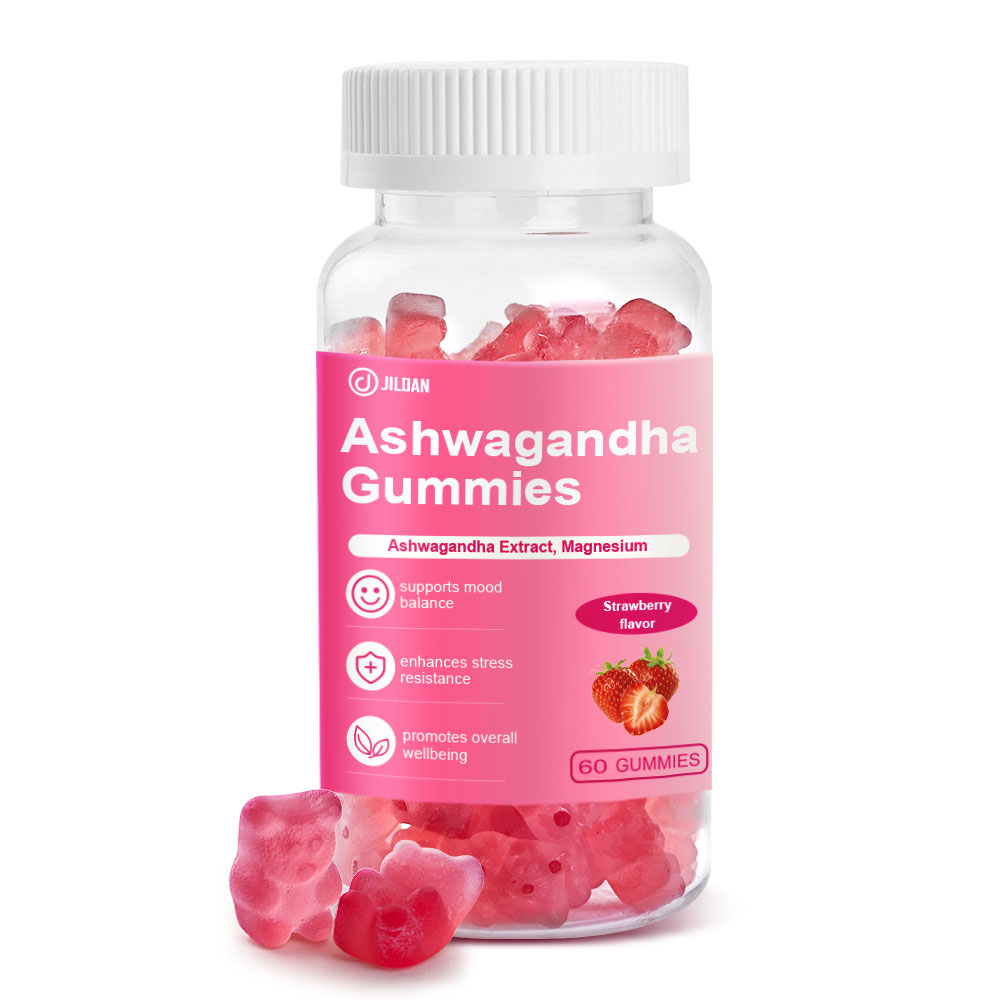
Before reviewing individual ashwagandha benefits, it helps to understand why research results can be difficult to compare.
Ashwagandha contains numerous naturally occurring compounds, including a group known as withanolides. However, different extracts can contain different concentrations and chemical profiles.
The NIH health professional fact sheet notes that the chemical composition of root and leaf differs and that clinical trials have used a wide range of preparations, including root extracts, root-and-leaf extracts, and whole-root preparations.
This means a supplement label should ideally tell consumers more than the word “ashwagandha.”
Useful product information can include:
- botanical name: Withania somnifera;
- plant part;
- extract or whole botanical powder;
- extract standardization;
- amount per serving;
- other active ingredients.
For supplement brands, these details also matter when researching ashwagandha benefits for product education.
If a study uses a specific standardized root extract at a defined serving level, content should not imply that the same finding has been established for every form of the botanical.
Ashwagandha Benefits for Stress Have Some of the Strongest Human Evidence
Stress is one of the most widely researched areas associated with ashwagandha benefits.
The evidence is promising, although it is not definitive.
The NIH Office of Dietary Supplements reports that several clinical trials have found reductions in perceived stress, anxiety-related symptoms, sleeplessness, fatigue, and serum cortisol among participants using different ashwagandha preparations. However, the studies have generally been relatively small and have used different extracts and serving levels. NIH provides a detailed review of these trials here.
A more recent 2024 systematic review and meta-analysis published in Explore analyzed nine randomized controlled trials involving 558 participants.
The researchers reported statistically significant improvements in several outcomes, including perceived stress scores and anxiety scores, compared with placebo. They also found a reduction in serum cortisol.
Those findings strengthen the case for stress-related ashwagandha benefits, but they should still be interpreted carefully.
The trials used different:
- extracts;
- doses;
- participant populations;
- study durations;
- outcome measures.
A statistically significant result across several trials does not mean every individual will experience the same effect.
It also does not justify claims that ashwagandha treats an anxiety disorder, chronic stress disorder, or another medical condition.
Cortisol Research Adds Useful Context—but Not a Guaranteed Outcome
Cortisol is frequently used in marketing discussions about ashwagandha benefits because it is a hormone involved in the physiological stress response.
Several trials have reported changes in cortisol following supplementation.
However, cortisol results should not be interpreted as a universal measure of how a person feels.
A 2025 systematic review and meta-analysis examined randomized trials and found a statistically significant reduction in cortisol while finding less consistent effects on perceived stress in the included dataset.
This illustrates an important scientific point.
A biological marker and a person’s subjective experience are related but not identical outcomes.
For brands discussing ashwagandha benefits, it is therefore better to say that human research has investigated effects on perceived stress and cortisol rather than turning the ingredient into a guaranteed “cortisol-lowering” solution.
This is also why claims should reflect the actual evidence for the extract and dosage used.
Ashwagandha Benefits for Sleep Are Promising but Generally Modest
Sleep is another area where ashwagandha benefits have meaningful human research.
A systematic review and meta-analysis of five randomized controlled trials involving 400 participants found a small but statistically significant improvement in overall sleep outcomes among adults taking ashwagandha extract compared with placebo.
The researchers reported that effects appeared more pronounced in:
- people with insomnia;
- studies using at least 600 mg per day;
- studies lasting at least eight weeks.
However, this should not be converted into a universal consumer dosage recommendation.
Different clinical trials used different extracts and preparations.
The NIH consumer fact sheet similarly states that some small studies suggest ashwagandha may help people fall asleep faster, sleep longer, and wake less often, while emphasizing that the overall sleep effects were generally small.
So when discussing sleep-related ashwagandha benefits, the most accurate conclusion is:
There is promising evidence for certain preparations, but the research is still limited and product-specific.
Ashwagandha Benefits Are Not the Same as Treating Insomnia
This distinction is particularly important in supplement marketing.
A study showing that an extract improved certain sleep measurements does not automatically mean a commercial supplement can claim to treat insomnia.
Dietary supplement content should distinguish between supporting normal functions and treating a diagnosed medical condition.
The U.S. FDA explains that structure/function claims may describe how a nutrient or dietary ingredient affects normal body structure or function, but they cannot claim that a supplement diagnoses, treats, cures, or prevents a disease. Brands should review the FDA guidance on structure/function claims before developing commercial claims.
For ashwagandha benefits, responsible wording is therefore critical.
A brand might discuss research related to stress or sleep while still avoiding language suggesting that the product is a substitute for medical treatment.
What About Ashwagandha Benefits for Anxiety?
Anxiety is frequently grouped together with stress in online content, but the evidence is more difficult to summarize.
The National Center for Complementary and Integrative Health states that some ashwagandha preparations may be helpful for stress and insomnia, while evidence regarding anxiety remains less clear.
At the same time, the 2024 meta-analysis discussed earlier reported improvements on anxiety scales across included trials.
These statements are not necessarily contradictory.
They reflect differences in:
- evidence thresholds;
- study quality;
- participant populations;
- diagnostic status;
- extract formulations.
For consumer education about ashwagandha benefits, this is a good example of why uncertainty should be acknowledged rather than hidden.
The research is promising enough to justify continued study.
It is not strong enough to justify presenting ashwagandha as a treatment for anxiety disorders.
Ashwagandha Benefits for Exercise Performance Are Less Established
Ashwagandha is increasingly included in sports nutrition formulas.
Consumers may see claims involving:
- strength;
- endurance;
- recovery;
- muscle development;
- exercise adaptation.
However, evidence for these ashwagandha benefits is less established than the evidence for stress and sleep.
The NCCIH Ashwagandha Fact Sheet currently states that there is not enough evidence to determine whether ashwagandha is helpful for athletic performance.
This does not mean no relevant studies exist.
It means the overall body of evidence is not yet strong enough for broad conclusions.
For brands developing sports supplements containing ashwagandha, the ingredient should therefore not automatically be positioned as equivalent to more established sports nutrition ingredients.
The product can be built around a broader stress, recovery, or wellness concept when appropriate, but ashwagandha benefits related to athletic performance should be communicated cautiously.
Testosterone and Male Wellness Claims Need Extra Care
Another area of strong consumer interest is male wellness.
Some small studies have examined ashwagandha in relation to testosterone and sperm-related outcomes.
NCCIH notes that limited evidence suggests taking ashwagandha for two to four months may affect testosterone levels and sperm quality in some populations. At the same time, NCCIH emphasizes that available evidence remains limited. The federal fact sheet is available here.
These findings should not be generalized into broad claims that ashwagandha:
- treats low testosterone;
- treats infertility;
- improves fertility in every user;
- functions as hormone therapy.
For supplement brands, this is an area where ashwagandha benefits need particularly careful scientific and regulatory review.
The study population matters.
The extract matters.
The dose matters.
The measured endpoint matters.
Marketing should not move beyond what the evidence actually supports.
Cognitive Ashwagandha Benefits Remain Uncertain
Ashwagandha is sometimes marketed for:
- focus;
- memory;
- mental performance;
- cognitive aging.
These uses are highly attractive from a product-development perspective because stress and cognition are often linked in wellness positioning.
However, NCCIH currently states that there is not enough evidence to determine whether ashwagandha is helpful for cognitive function. See the NCCIH evidence summary.
Brands should therefore avoid presenting cognitive ashwagandha benefits as settled science.
If a formula combines ashwagandha with ingredients more directly researched for cognitive functions, content should distinguish the role and evidence for each ingredient rather than attributing the entire product story to ashwagandha.
The Biggest Ashwagandha Benefits Question May Be: Which Extract?
One of the reasons clinical evidence can look inconsistent is that researchers have not all used the same ashwagandha preparation.
The NIH health professional review notes that trials have used root extracts, root-and-leaf extracts, whole-root material, different standardization methods, and a broad range of daily amounts.
This creates a major challenge for consumers searching for ashwagandha benefits.
A clinical trial may show a promising outcome, but the supplement they purchase may use:
- a different plant part;
- a different extraction method;
- a different withanolide specification;
- a different amount;
- a multi-ingredient blend.
For brands, the responsible approach is to characterize the commercial ingredient clearly.
Useful specifications can include:
- botanical identity;
- plant part;
- extract ratio where relevant;
- withanolide specification where relevant;
- carrier content;
- amount per serving;
- testing requirements.
JD Nutra’s existing Ashwagandha Gummies Formulation Guide explains how extract choice, plant part, active loading, flavor, and gummy stability interact during product development.
Ashwagandha Benefits Cannot Be Separated From Dosage Form
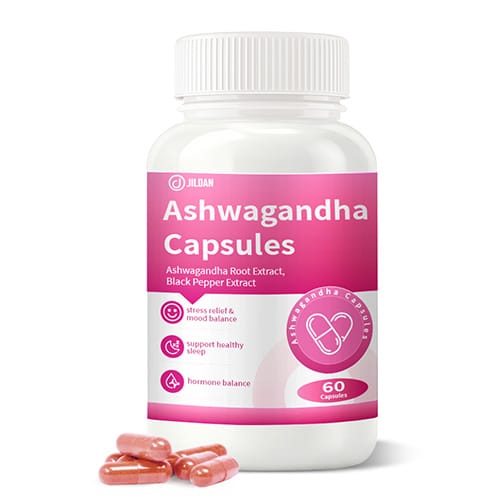
Capsules and gummies can contain the same botanical name but provide very different product experiences.
Capsules
Capsules can accommodate dry extracts without requiring flavor masking.
They may be useful when:
- active loading is relatively high;
- a simple ingredient system is preferred;
- the target consumer is comfortable swallowing capsules.
Gummies
Gummies provide a more approachable consumer experience but create additional formulation requirements involving:
- taste;
- heat;
- moisture;
- acidity;
- sweeteners;
- active loading.
A consumer researching ashwagandha benefits may not think about these manufacturing differences, but brands should.
A highly researched ingredient still needs to survive the manufacturing process and remain within its approved specification.
Brands considering chewable formats can review JD Nutra’s Ashwagandha Gummies or explore the broader gummy supplement manufacturing range.
Multi-Ingredient Formulas Make Ashwagandha Benefits Harder to Interpret
Ashwagandha is frequently combined with ingredients such as:
- magnesium;
- L-theanine;
- GABA;
- chamomile;
- selected vitamins.
These combinations may make sense from a product-positioning perspective.
However, multi-ingredient products make scientific interpretation more complicated.
If a clinical trial used ashwagandha alone, it cannot automatically prove the effects of a five-ingredient gummy.
Likewise, if consumers experience a benefit from a combination product, it may be difficult to determine which ingredient contributed most.
Brands should therefore distinguish:
- evidence for ashwagandha;
- evidence for supporting ingredients;
- evidence for the actual finished combination.
The strongest content does not imply that every outcome associated with the formula represents proven ashwagandha benefits.
It explains why each ingredient is included and what is known about it.
Ashwagandha Safety Is Part of the Benefits Conversation
Any responsible discussion of ashwagandha benefits also needs to address safety.
The NIH Office of Dietary Supplements states that ashwagandha appears to be reasonably well tolerated in studies lasting up to about three months, but evidence on long-term safety remains insufficient.
Reported mild side effects can include:
- stomach upset;
- loose stools;
- nausea;
- drowsiness.
NIH and NCCIH also note reports of more serious concerns, including rare cases of liver injury associated with ashwagandha use.
This does not mean liver injury is common.
It means safety information should not be excluded from consumer education simply because it makes marketing less simple.
A product page that explains both ashwagandha benefits and relevant limitations can be more credible than one that describes only positive outcomes.
Who Should Be Particularly Careful With Ashwagandha?
Federal health resources identify several groups for whom ashwagandha may not be appropriate.
According to NCCIH, ashwagandha should be avoided during pregnancy and is not recommended while breastfeeding. NCCIH also identifies potential concerns for people preparing for surgery and people with autoimmune or thyroid disorders.
Possible medication interactions can involve medicines used for:
- diabetes;
- high blood pressure;
- immune suppression;
- sedation;
- seizures;
- thyroid conditions.
These cautions matter when communicating ashwagandha benefits because a supplement can be promising for one population while inappropriate for another.
Responsible brands should therefore define the intended consumer clearly and develop appropriate warnings for the destination market.
Ashwagandha and Thyroid Function Require Careful Messaging
Thyroid-related searches are another area where online discussions can move much faster than evidence.
NIH notes that ashwagandha may affect thyroid function and could interact with thyroid medications. Review the NIH safety information.
This is not evidence that ashwagandha should be used to treat thyroid disorders.
In fact, the potential interaction is a reason for caution.
Brands should therefore avoid turning thyroid-related observations into additional ashwagandha benefits.
A responsible FAQ can instead advise consumers with thyroid conditions or those using thyroid medications to consult an appropriate healthcare professional before use.
Are Ashwagandha Benefits Proven for Long-Term Use?
This is an important question because supplements are often used daily for months or years.
Most clinical research on ashwagandha benefits has been relatively short.
The NIH Office of Dietary Supplements states that available studies generally support short-term tolerability for approximately three months, while long-term safety remains unclear.
That uncertainty should be communicated honestly.
Brands should be cautious about language suggesting that a consumer should necessarily take ashwagandha indefinitely.
A product can have a defined daily serving while still acknowledging that long-term evidence is limited.
How Much Ashwagandha Should a Supplement Contain?
Consumers frequently ask for a universal ideal dosage.
The evidence does not support one simple answer.
Clinical trials evaluating ashwagandha benefits have used different extracts and serving levels.
The NIH health professional fact sheet reports that stress-related trials have used approximately 240 to 1,250 mg per day of various extracts, while other research has used completely different preparations and quantities.
This wide range is exactly why brands should not select dosage solely by copying another product.
A 600 mg serving of one material may not be equivalent to 600 mg of another standardized extract.
Product developers should consider:
- extract type;
- plant part;
- standardization;
- research on the specific preparation;
- target consumer;
- dosage form.
Content discussing ashwagandha benefits should therefore avoid presenting a single milligram amount as universally optimal.
How Supplement Brands Should Evaluate Ashwagandha Research
A practical evidence checklist can help brands avoid overclaiming ashwagandha benefits.
Before using a study in marketing content, ask:
Was the Study Conducted in Humans?
Preclinical research can help generate hypotheses but does not automatically establish consumer benefits.
Was It Randomized and Controlled?
Randomized controlled trials generally provide stronger evidence than uncontrolled observations.
Which Ashwagandha Preparation Was Used?
Check:
- root;
- root and leaf;
- extract;
- whole powder;
- standardization.
What Was the Dose?
The commercial formula should be compared with the study preparation rather than simply citing the research because both contain ashwagandha.
Who Participated?
Results from people experiencing high stress may not apply identically to healthy people with low baseline stress.
How Long Did the Study Last?
Short trials do not prove long-term outcomes.
What Was Actually Measured?
If a study measured perceived stress, do not transform the result into an unrelated medical claim.
This approach makes discussions of ashwagandha benefits more defensible and useful.
How to Spot Overstated Ashwagandha Benefits Online
Consumers and product teams should be cautious when an article claims that ashwagandha has been proven to:
- treat numerous unrelated diseases;
- guarantee testosterone increases;
- eliminate anxiety;
- cure insomnia;
- produce dramatic weight loss;
- improve every aspect of brain function.
Authoritative federal resources do not support such broad conclusions.
NCCIH currently states that evidence is strongest or most promising in relatively limited areas, particularly stress and sleep, while evidence remains insufficient for many other proposed uses.
That is a much narrower statement than many commercial pages make.
For SEO, accuracy should take priority over trying to capture every variation of ashwagandha benefits with a new health claim.
Quality Testing Affects How Credible Ashwagandha Benefits Claims Are
Scientific evidence means little if the ingredient in the finished supplement is not the ingredient described in the formulation.
Botanical products need strong identity and quality controls.
A manufacturer may evaluate:
- botanical identity;
- plant part;
- marker compounds;
- microbiological limits;
- heavy metals;
- pesticides where relevant;
- residual solvents where relevant.
The appropriate test program depends on the extract and destination market.
For brands, this creates a direct connection between quality and ashwagandha benefits.
A carefully researched claim becomes much less meaningful if the commercial ingredient lacks appropriate identity or composition controls.
Brands evaluating private-label projects can review JD Nutra’s Private Label Ashwagandha Gummies Manufacturer Guide for supplier qualification, testing, stability, and packaging considerations.
What Consumers Should Look for in an Ashwagandha Supplement
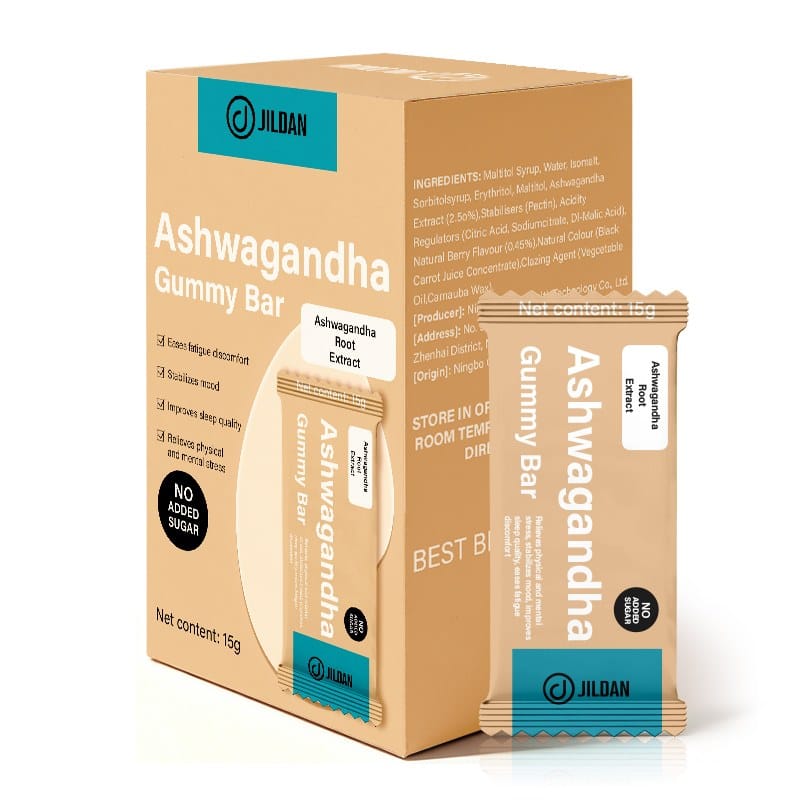
A trustworthy product should provide enough information to understand what is being consumed.
Consumers researching ashwagandha benefits can look for:
- Withania somnifera on the label;
- clearly identified plant part where appropriate;
- extract amount per serving;
- standardized constituents where relevant;
- clear serving directions;
- appropriate warnings;
- transparent manufacturer information.
The largest milligram number is not automatically the strongest product.
Likewise, a high withanolide percentage is not automatically proof that an extract is best for every goal.
The product should be evaluated against the evidence supporting its actual specification.
FAQ
What Are the Best-Supported Ashwagandha Benefits?
The strongest current human evidence relates primarily to stress and certain sleep outcomes.
NIH and NCCIH both describe promising research in these areas while emphasizing differences among studies and extracts. NIH’s current evidence review provides the detailed clinical context.
How Long Does Ashwagandha Take to Work?
There is no universal timeline.
Many clinical studies evaluating ashwagandha benefits for stress or sleep have lasted approximately six to eight weeks or longer.
The timing can depend on:
- extract;
- dose;
- outcome;
- individual user.
A clinical study duration should not be converted into a guarantee that every consumer will notice a benefit by a specific day.
Does Ashwagandha Help With Sleep?
Some research suggests modest improvements in sleep quality, sleep time, and sleep latency.
A meta-analysis of five randomized controlled trials involving 400 participants found a small but significant overall sleep effect, with stronger results in some subgroups. Read the study on PubMed.
Does Ashwagandha Reduce Stress?
Several randomized trials and systematic reviews suggest that certain preparations can reduce perceived stress and may influence cortisol.
However, results differ between studies and preparations.
A 2024 meta-analysis involving 558 participants reported improvements across several stress-related outcomes.
Does Ashwagandha Increase Testosterone?
Some limited studies have examined testosterone-related outcomes, but available evidence is not sufficient to claim that every ashwagandha supplement will increase testosterone.
The NCCIH evidence summary characterizes the evidence as limited.
Is Ashwagandha Safe Every Day?
Research suggests short-term use may be reasonably well tolerated for many adults, but long-term safety remains uncertain.
NIH notes that most safety data extend only to approximately three months. NIH safety overview.
Who Should Avoid Ashwagandha?
NCCIH advises against use during pregnancy and breastfeeding and identifies additional concerns for people with certain thyroid or autoimmune conditions, people preparing for surgery, and users of several medication classes. Review NCCIH’s safety guidance.
Are Ashwagandha Gummies as Effective as Capsules?
The dosage form alone does not determine ashwagandha benefits.
What matters more is whether the finished product provides an appropriately characterized extract at the intended amount and maintains its specification.
Gummies and capsules may use different extracts and serving levels, so they should be compared product by product.
Conclusion
The scientific discussion around ashwagandha benefits is more promising—and more nuanced—than much of the marketing surrounding the ingredient suggests.
Human research provides meaningful support for certain stress-related outcomes, and several studies suggest modest improvements in sleep. A 2024 meta-analysis of nine randomized controlled trials involving 558 participants found favorable effects across several stress and anxiety measures, while a sleep meta-analysis involving 400 participants reported a small overall improvement in sleep outcomes.
At the same time, many other frequently advertised ashwagandha benefits remain uncertain.
Current federal health guidance does not consider the evidence sufficient to draw firm conclusions for many proposed uses, including broad claims involving athletic performance and cognitive function. Long-term safety data are also limited.
For consumers, this means evaluating the actual product rather than the ingredient name alone.
For supplement brands, it means connecting every claim with:
- the actual ashwagandha extract;
- plant part;
- standardization;
- serving amount;
- relevant human evidence;
- safety information.
That approach produces better health education and a more defensible commercial product.
Brands developing gummy products can review JD Nutra’s Ashwagandha Gummies Formulation Guide and existing Ashwagandha Gummies product format.
For sourcing and manufacturing considerations, see the Private Label Ashwagandha Gummies Manufacturer Guide or review JD Nutra’s broader custom supplement manufacturing services.
When the extract specification, dosage form, serving target, testing requirements, packaging, and intended market are defined, contact JD Nutra to discuss a formulation built around evidence-supported ashwagandha benefits rather than unsupported claims.


