Kreatin ist keine Produktkategorie mehr, an die sich ergänzende Marken wenden können, indem sie einfach ein nicht aromatisiertes Pulver in eine Wanne geben und ein sportorientiertes Etikett hinzufügen.
Der Markt wird anspruchsvoller Verbraucher vergleichen zunehmend Inhaltsstoffform, Serviergröße, Mischbarkeit, Test, Verpackungskomfort, Inhaltsstofftransparenz und die Glaubwürdigkeit des Unternehmens hinter dem fertigen Produkt Für Markeninhaber, Distributoren und Sporternährungsunternehmen bedeutet dies Sourcing Handelsmarke Kreatin-Monohydrat-Pulver wird eher zu einer Produktentwicklungsentscheidung als zu einer grundlegenden Kaufübung.
Kreatin-Monohydrat hat auch eine ungewöhnlich starke wissenschaftliche Grundlage im Vergleich zu vielen Inhaltsstoffen, die in der Sporternährung verwendet werden Die NIH Office of Dietary Supplements Kreatin als einen der am gründlichsten untersuchten Inhaltsstoffe für Bewegung und sportliche Leistung beschreibt und identifiziert Kreatinmonohydrat als die am häufigsten verwendete und untersuchte Ergänzungsform.
Dadurch entsteht eine attraktive Chance für Marken, die in die Kategorie einsteigen.
Ein gelungener Handelsmarke Kreatin-Monohydrat-Pulver Projekt muss daher mehrere Fragen beantworten, bevor die Produktion beginnt:
- Für welche Art von Kunden ist das Produkt konzipiert?
- Soll die Formel reines Kreatin oder eine differenzierte Mischung sein?
- Ist Mikronisierung für das beabsichtigte Verbrauchererlebnis von Bedeutung?
- Welche Spezifikationen und Prüfunterlagen sollten erforderlich sein?
- Welches Verpackungsformat ist für das Produkt sinnvoll?
- Wie ist die MOQ zu bewerten?
- Welche Informationen sollten auf dem Etikett erscheinen?
- Wie kann ein Käufer feststellen, ob ein Hersteller das Wachstum nach dem Start unterstützen kann?
Dieser Leitfaden nähert sich diesen Fragen aus Marken- und Beschaffungsperspektive.
Inhaltsverzeichnis
Warum das Kreatin-Monohydrat-Pulver mit Eigenmarke weiterhin eine große Produktchance darstellt
Kreatin nahm historisch gesehen eine relativ enge Position in der Sporternährung ein. Heute reicht das Interesse weit über das traditionelle Bodybuilding-Publikum hinaus.
Krafttraining ist zum Mainstream geworden, die Ernährung im aktiven Altern erhält mehr Aufmerksamkeit, Frauen nehmen aktiver am Widerstandstraining teil und Verbraucher verstehen zunehmend den Unterschied zwischen evidenzbasierten Sporternährungsinhaltsstoffen und kurzlebigen Nahrungsergänzungstrends.
Für Marken schafft das Platz für mehrere Produktpositionen und nicht für eine generische Kreatin-SKU.
A Handelsmarke Kreatin-Monohydrat-Pulver Positioniert werden konnte:
- Einfache sportliche Leistung;
- Krafttrainingsroutinen;
- Alltag aktive Lebensweisen;
- Einfache Einzelzutatenergänzung;
- Sportliche Ernährung der Frauen;
- Bequeme tägliche Ergänzung;
- Premium-Zutatentransparenz;
- aromatisierte Leistungsernährung;
- Kreatin-plus-hydratationskonzepte;
- breitere Sporternährung Produktlinien.
Wichtig ist, nicht jedem Trend auf einmal hinterher zu jagen.
Das stärkste Produkt beginnt normalerweise mit einem klar definierten Kunden und Kanal. Ein Produkt, das für erfahrene Fitnessstudio-Benutzer entwickelt wurde, erfordert möglicherweise ein anderes Servierformat, eine andere Packungsgröße und eine andere visuelle Identität als eines, das für Mainstream-Wellness-Konsumenten gedacht ist.
Bei Marken, die Pulverprodukte in Betracht ziehen, Überprüfung der vorhandenen Hersteller Möglichkeiten zur Pulverergänzung Vor der Entwicklung des Briefings kann es helfen, zu klären, was realistisch produziert und verpackt werden kann.
Definieren Sie die Produktpositionierung, bevor Sie ein Angebot anfordern
Viele Sourcing-Projekte beginnen mit einer Frage wie:
“Was ist dein MOQ für Kreatinpulver?”
Das ist verständlich, aber es ist nicht die beste erste Frage.
Bevor Sie ein Angebot anfordern Handelsmarke Kreatin-Monohydrat-Pulver, definieren Sie das Produkt, das Sie tatsächlich verkaufen möchten.
Bereiten Sie mindestens Antworten auf die folgenden Fragen vor.
Wer ist der Zielkunde?
Ist das Produkt in erster Linie gerichtet auf:
- Krafttrainingsverbraucher;
- Leistungssportler;
- Freizeit Fitness Nutzer;
- Frauen;
- Aktive Erwachsene;
- Erfahrene Nutzer von Sporternährung;
- Erstmalige Kreatin-Anwender?
Kundendefinition betrifft weit mehr als Marketing Sie kann die Servieranleitung, Geschmacksstrategie, Verpackung, Produktbildung und sogar den angemessenen Komplexitätsgrad in der Formel beeinflussen.
Wo wird das Produkt verkauft?
Überlegen Sie, ob der Hauptkanal sein wird:
- E-Commerce direkt an den Verbraucher;
- Online-marktplätze;
- Turnhallen;
- Sportnahrungsfachgeschäfte;
- Gesundheits - und Wellnesseinzelhändler;
- Vertreiber;
- Internationalen Märkten.
Der Vertriebskanal beeinflusst die Containergröße, Logistik, Kennzeichnungsfläche, Sekundärverpackung und Dokumentationspflichten.
Was ist das zentrale Produktversprechen?
Ein Kreatinpulver mit einem Inhaltsstoff konkurriert weitgehend mit Vertrauen, Benutzerfreundlichkeit und Qualität.
Ein komplexeres Leistungsprodukt kann bei der Formulierungsdifferenzierung konkurrieren.
Der Versuch, dieselbe SKU gleichzeitig als Bodybuilding-Produkt, Damen-Wellness-Produkt, kognitives Produkt, Erholungsformel und Flüssigkeitszufuhrprodukt zu positionieren, führt normalerweise zu verwirrenden Botschaften.
Ein guter Produktbrief sollte eng genug sein, dass sowohl der Hersteller als auch der zukünftige Kunde genau verstehen, was das Produkt sein soll.
Was sollte in eine Private-Label-Kreatin-Monohydrat-Pulverformel aufgenommen werden?
Die nächste Frage ist, ob die Formel einfach bleiben oder zusätzliche Zutaten einführen soll.
Es gibt keine allgemein korrekte Antwort.
Reine Formel mit einem Inhaltsstoff
Ein unkompliziertes Produkt, das Kreatinmonohydrat enthält, hat mehrere Vorteile.
Die Zutatengeschichte ist leicht zu kommunizieren Das Supplement Facts Panel ist relativ einfach Die Geschmacksentwicklung ist für ein nicht aromatisiertes Produkt möglicherweise nicht notwendig, und Verbraucher, die bereits Kreatin verwenden, schätzen oft die Flexibilität, es in ihr bevorzugtes Getränk zu mischen.
Dies ist auch das Produktkonzept mit dem deutlichsten Bezug zur etablierten Kreatin-Forschungsbasis.
Das NIH stellt fest, dass Kreatinmonohydrat die am häufigsten untersuchte Form ist und dass die Kreatin-Supplementierung den beständigsten Wert bei wiederholter Aktivität mit hoher Intensität und nicht bei Ausdauerübungen gezeigt hat.
Für eine Marke, deren Differenzierung aus Qualitätssicherung, Verpackung, Transparenz, Vertrieb oder Publikumspositionierung resultiert, kann Einfachheit eher eine Stärke als eine Schwäche sein.
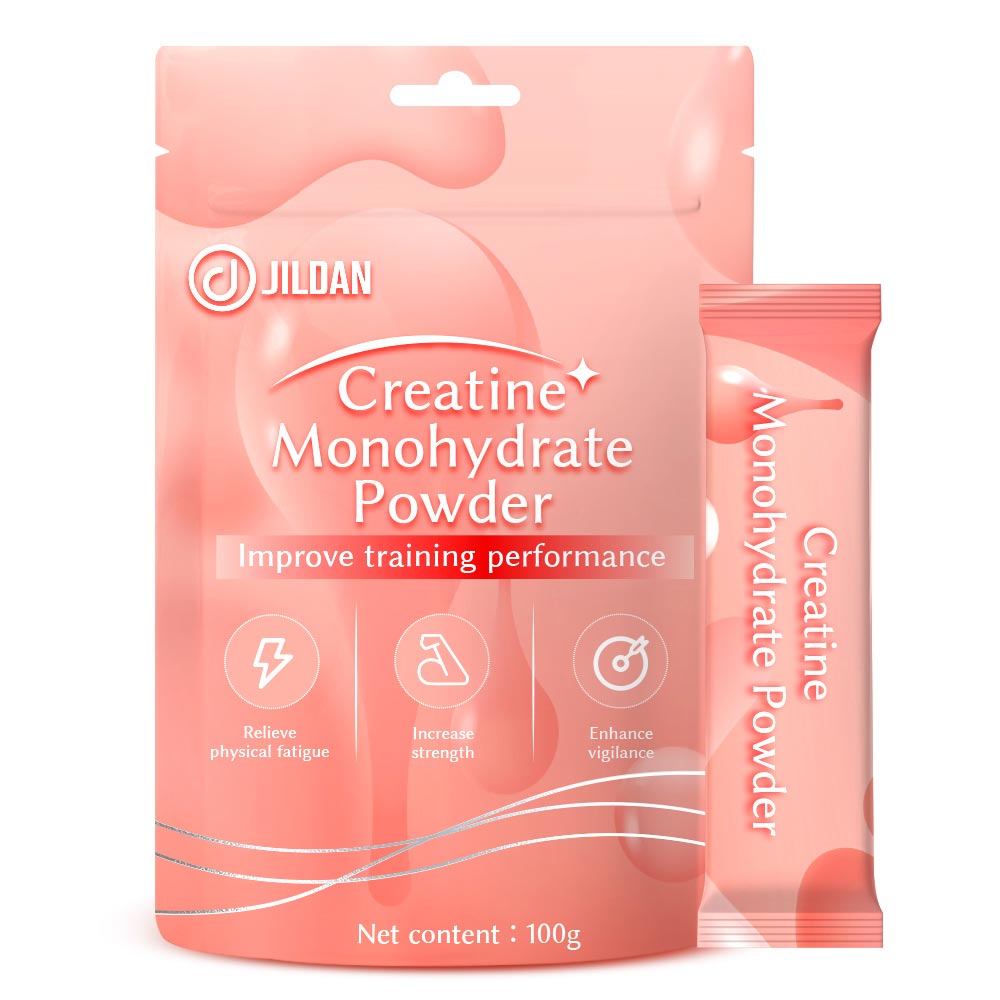
Sie können ein Beispiel für ein spezielles Produktformat für Kreatinmonohydratpulver Bei der Entwicklung eines ersten Produktbriefs.
Aromatisiertes Kreatinpulver
Aromastoffe können das Produkt unverwechselbarer machen und ein umfassenderes Getränkeerlebnis bieten.
Die Geschmacksentwicklung führt jedoch zu weiteren Entscheidungen:
- Geschmackssystem;
- Süßstoffwahl;
- Säuregehalt;
- Farbe;
- Fließeigenschaften;
- Pulverdichte;
- Portionsgewicht;
- Löslichkeit und Dispersion;
- Stabilität;
- Inhaltsstoffdeklaration.
Ein Geschmack, der in einer Laborprobe gut abschneidet, kann sich nach der Vergrößerung auch anders verhalten.
Marken sollten daher vermeiden, Geschmack nur aus einer kurzen Verkostung zu wählen. Pilotproduktion und Stabilitätsbewertung sind wichtig.
Multi-Ingredient-Leistungsformel
Kreatin kann auch als Teil eines umfassenderen Leistungspulvers entwickelt werden.
Mögliche Produktrichtungen umfassen Kombinationen, die auf Hydratation, Elektrolyten oder anderen Sporternährungsbestandteilen basieren. Allerdings erhöht jeder zusätzliche Wirkstoff die Komplexität der Formulierung.
Bevor Sie Zutaten kombinieren, fragen Sie:
- Unterstützt jede Zutat die beabsichtigte Produktposition?
- Ist die Menge innerhalb der vorgesehenen Portionsgröße aussagekräftig?
- Sind die Inhaltsstoffe physikalisch verträglich?
- Beeinflusst die Kombination den Geschmack?
- Führt es zu neuen Regulierungs- oder Anspruchsproblemen?
- Bleibt die Formel für den Kunden verständlich?
Ein überfülltes Etikett schafft nicht automatisch ein besseres Produkt.
In vielen Fällen ist eine gut ausgeführte Handelsmarke Kreatin-Monohydrat-Pulver Mit einer klaren Spezifikation kann es kommerziell kohärenter sein als eine Formel, die zahlreiche Inhaltsstoffe enthält, die hauptsächlich für die Etikettenbeschwerde enthalten sind.
Mikronisiertes vs. Standard-Kreatin-Monohydrat: Was Käufer vergleichen sollten
“In Creatin-Produktbeschreibungen taucht ”Mikronisiert” häufig auf, aber Beschaffungsteams sollten verstehen, was der Begriff eigentlich für ihr Projekt bedeutet.
Mikronisierung verringert Partikelgröße In einem Pulverprodukt können Partikeleigenschaften die Dispergierbarkeit, das Mundgefühl, die Staubbildung, den Durchfluss und die Wahrnehmung des Benutzers, wie leicht sich das Pulver vermischt, beeinflussen.
Das heißt nicht, dass Käufer “mikronisiert” automatisch als vollständige Qualitätsvorgabe akzeptieren sollten.
Fordern Sie stattdessen messbare Informationen an.
Nützliche Fragen sind:
- Welche Partikelgrößenspezifikation wird verwendet?
- Wie wird die Partikelgröße gemessen?
- Ist die Spezifikation zwischen den Chargen konsistent?
- Wie verteilt sich das Material in kaltem Wasser?
- Beeinflusst die Feinpartikelgröße den Pulverfluss beim Befüllen?
- Gibt es bei der Produktion eine erhöhte Staubbildung?
- Welche Rohstoffspezifikation begleitet den Inhaltsstoff?
Ziel ist es, ein technisches Merkmal mit einem Verbraucher- oder Herstellungsvorteil zu verbinden.
Betont das Marketingkonzept beispielsweise ein leicht mischbares Pulver, sollte das Entwicklungsteam ein tatsächliches Streuungs - oder Sinneskriterium festlegen, anstatt sich nur auf das Wort “mikronisiert” zu verlassen”
Durchweg gilt derselbe Grundsatz Handelsmarke Kreatin-Monohydrat-Pulver Entwicklung: messbare Spezifikationen sind nützlicher als attraktive Terminologie.
Qualitätsprüfungen und Dokumentation, die von einem Hersteller angefordert werden müssen
Die Qualitätsdokumentation ist einer der größten Unterschiede zwischen dem Kauf eines Rohstoffpulvers und der Entwicklung eines professionell verwalteten fertigen Nahrungsergänzungsmittels.
Für Produkte, die für die Vereinigten Staaten bestimmt sind, unterliegt die Herstellung von Nahrungsergänzungsmitteln den aktuellen Anforderungen der Guten Herstellungspraxis gemäß 21 CFR Teil 111. Die Leitlinien der FDA erklären, dass Hersteller Spezifikationen in Bezug auf Identität, Reinheit, Festigkeit, Zusammensetzung und geeignete Schadstoffgrenzwerte festlegen müssen, mit Qualitätskontrolle und Aufzeichnungsverantwortung während der gesamten Produktion.
Ein Käufer bewertet Handelsmarke Kreatin-Monohydrat-Pulver Über eine generische Aussage hinausblicken sollte, dass ein Produkt “lab-geprüft” ist, also”
Rohstoffidentität und -spezifikation
Fragen Sie, was passiert, wenn Kreatinrohstoff in die Produktionsstätte gelangt.
Ein nützlicher Rohstoffqualifikationsprozess kann die Überprüfung von: umfassen
- Materielle Identität;
- Lieferantendokumentation;
- Assay-spezifikation;
- Erscheinung;
- Partikeleigenschaften;
- Feuchtigkeitsbezogene Parameter, sofern relevant;
- Schadstoffspezifikationen;
- Losidentifikation;
- Länder- oder Quellinformationen, sofern das Projekt dies erfordert.
Die CGMP-Leitlinien der FDA für Nahrungsergänzungsmittel erfordern eine angemessene Identitätsüberprüfung der Nahrungsbestandteile und dokumentierte Spezifikationen innerhalb des Herstellungsqualitätssystems.
Die praktische Frage für eine Marke ist einfach:
Kann der Hersteller nachweisen, dass es sich bei dem in die Produktion gehenden Material um das in Ihrer Formel angegebene Material handelt?
Fertige Produkttests
Rohmaterialtests allein beantworten nicht jede Frage nach dem Endprodukt.
Abhängig von der Produktspezifikation und dem Markt kann ein Testplan Folgendes berücksichtigen:
- Identität;
- Assay oder Wirksamkeit;
- Mikrobiologische Grenzen;
- Schwermetalle;
- Andere relevante Verunreinigungen;
- Nettoinhalts- oder Füllgewichtskontrollen;
- Organoleptische Eigenschaften;
- Physikalische Eigenschaften;
- Verpackungsintegrität.
Die entsprechende Prüfmatrix sollte aus dem tatsächlichen Produkt, Inhaltsstoffzielmarkt - und Qualitätsvertrag erstellt werden, blind aus einer anderen Formel kopiert.
COA- und Batch-Rückverfolgbarkeit
Fragen Sie nach der Struktur des Analysezertifikats, bevor Sie eine große kommerzielle Bestellung aufgeben.
Der COA sollte einer identifizierbaren Charge oder Charge entsprechen und sich auf festgelegte Spezifikationen beziehen.
Beschaffungsteams sollten auch verstehen:
- Wer gibt die Charge frei;
- Wie mit Abweichungen umgegangen wird;
- Ob Aufbewahrungsproben aufbewahrt werden;
- Welche Aufzeichnungen sind verfügbar, wenn eine Beschwerde auftritt;
- Wie Zutatenpartien durch die fertige Produktion zurückverfolgt werden können.
Für Handelsmarke Kreatin-Monohydrat-Pulver, wird die Dokumentation mit dem Ausbau der Auftragsvolumina und Vertriebsmärkte immer wichtiger.
Bei einer guten Lieferantenbeziehung geht es nicht einfach darum, fertige Wannen zu erhalten Es geht darum, nachvollziehen zu können, was hergestellt wurde, aus welchen Materialien, unter welcher Spezifikation und mit welchen Qualitätsprüfungen.
So bewerten Sie die Mindestbestellmenge, ohne die Mindestbestellmenge alleine anzusehen
MOQ ist eines der am häufigsten gesuchten und diskutierten Themen im Bereich der Beschaffung von Private-Label-Ergänzungsmitteln, aber das niedrigste MOQ ist nicht automatisch die beste kommerzielle Option.
MOQ besteht, weil die Produktion feste Einrichtungsanforderungen hat.
Dazu können gehören:
- Materialvorbereitung;
- Mischungsaufbau;
- Gerätereinigung;
- Fülllinieneinrichtung;
- Verpackungsvorbereitung;
- Etiketteneinrichtung;
- Inspektion;
- Prüfung;
- Dokumentation;
- Produktionsplanung.
Eine niedrige Anfangsmenge mag für die Marktvalidierung attraktiv sein, aber auch Einkaufsteams sollten prüfen, was nach der ersten Bestellung passiert.
Beim Vergleich Handelsmarke Kreatin-Monohydrat-Pulver Hersteller, fragen:
- Basiert das MOQ auf fertigen Einheiten, Kilogramm oder einer Produktionscharge?
- Ändert individuelles Aroma das MOQ?
- Erhöht eine kundenspezifische Verpackung die Anforderung?
- Gibt es ein anderes MOQ für Lager und benutzerdefinierte Formeln?
- Kann ein Produktionslauf auf mehrere Verpackungsgrößen aufgeteilt werden?
- Kann Verpackungsinventar vorgetragen werden?
- Was passiert mit unbenutzten Sonderanfertigungen?
- Welche Menge macht zukünftige Nachbestellungen operativ effizient?
Ein Hersteller sollte in der Lage sein, die Logik hinter seinen Anforderungen zu erklären.
Wenn Sie Ihr Projekt noch definieren, ist die Ergänzung Fertigungsservice-Prozess Kann Ihnen helfen, über die Mindestmenge hinauszudenken und Formulierung, Produktion und Verpackung als einen zusammenhängenden Arbeitsablauf zu betrachten.
Verpackungsoptionen für das Private Label Creatin-Monohydrat-Pulver

Verpackung ist keine dekorative Entscheidung, die nach Abschluss der Formel getroffen wird.
Bei Pulverpräparaten wirkt sich die Verpackung aus:
- Feuchtigkeitsschutz;
- Lagerung;
- Versandeffizienz;
- Füllung;
- Schöpfeinschluss;
- Kundenfreundlichkeit;
- Einzelhandelspräsentation;
- Etikettenbereich;
- Wiederholungsnutzungserlebnis.
Zu den gängigen Optionen können Wannen, Gläser, Beutel und individuelle Servierformate gehören, abhängig von der Herstellungsfähigkeit und den Projektanforderungen.
Wannen und Gläser
Starre Behälter sind in der Sporternährung nach wie vor vertraut und bieten eine große Oberfläche für Marken und Anleitungen.
Wichtige Überlegungen sind:
- Öffnungsdurchmesser;
- Behältervolumen;
- Pulverschüttdichte;
- Kopfraum;
- Schaufelgröße;
- Induktionsdichtung oder Verschlusssystem;
- Versandgewicht;
- Etikettenabmessungen.
Eine 300-Gramm-Formel passt nicht automatisch bequem in jeden Behälter, der nominell für Pulverprodukte vermarktet wird. Die Massendichte ist wichtig.
Beutel
Beutel können das Verpackungsgewicht reduzieren und passen möglicherweise zu Marken, die eine kompaktere Präsentation suchen.
Bewerten Sie jedoch:
- Barriereeigenschaften;
- Reißverschlussqualität;
- Füllbarkeit;
- Abdichten;
- Etiketten- versus Printed-Pouch-Ökonomie;
- Handhabung nach wiederholtem Öffnen.
Stick Packs oder Single-Serve-Formate
Komfortformate können Reise-, Sampling- oder kontrollierte Servierkonzepte unterstützen.
Sie erfordern außerdem einen ganz anderen Fertigungs- und Verpackungsablauf.
Bevor Sie sie auswählen, bestätigen Sie die Abfüllungstoleranzen, Mindestproduktionsmengen, Filmanforderungen und ob das Pulver die vorgesehene Maschine konstant durchfließt.
Für viele neue Marken kann es betrieblich einfacher zu handhaben sein, mit einem einfacheren Paket zu beginnen und nach der Validierung der Nachfrage in tragbare Formate zu expandieren.
Stabilität, Feuchtigkeit und Lagerung: Oft übersehene Beschaffungsfaktoren
Eine Kreatinformel sollte nicht erst am Tag der Probeneinkunft ausgewertet werden.
Das fertige Produkt muss während seiner vorgesehenen Haltbarkeitsdauer unter geeigneten Lagerbedingungen innerhalb seiner festgelegten Spezifikationen bleiben.
Bei Pulverprodukten verdient die Feuchtigkeitskontrolle besondere Aufmerksamkeit.
Hersteller sollten die Beziehung zwischen: berücksichtigen
- Rohstoff;
- Sonstige Bestandteile;
- Geschmackssystem;
- Verpackungsbarriere;
- Schließung;
- Fertigungsumgebung;
- Transport;
- Lagerbedingungen.
Die CGMP-Leitlinien für Nahrungsergänzungsmittel der FDA enthalten Anforderungen für die Aufbewahrung von Komponenten und Nahrungsergänzungsmitteln unter geeigneten Umgebungsbedingungen, damit Identität, Reinheit, Stärke und Zusammensetzung nicht beeinträchtigt werden.
Für einen einfachen Geschmacklosen Handelsmarke Kreatin-Monohydrat-Pulver, (Stabilität kann weniger kompliziert sein als bei einem hochgeschmackigen Getränkepulver mit mehreren Inhaltsstoffen, sollte aber nicht angenommen werden.
Fragen Sie den Hersteller:
- Welche Haltbarkeitsgrundlage wird verwendet?
- Wurde diese Formel oder eine gleichwertige Formulierung bewertet?
- Welche Verpackungskonfiguration wurde bei der Bewertung verwendet?
- Sind gegebenenfalls beschleunigte oder Echtzeit-Stabilitätsdaten verfügbar?
- Wie ist das fertige Produkt aufzubewahren?
- Welche Änderungen würden zusätzliche Stabilitätsarbeiten auslösen?
Wenn Sie später den Süßstoff, den Geschmack, die Verpackungsfolie oder die aktive Mischung ändern, gilt möglicherweise nicht mehr die ursprüngliche Stabilitätsbegründung.
Kennzeichnung und Ansprüche: Bauen Sie frühzeitig Compliance in das Projekt ein
Einer der teuersten Fehler bei der Entwicklung von Eigenmarken besteht darin, mit der Überprüfung des Labels zu warten, bis die Produktion fast abgeschlossen ist.
Für die Vereinigten Staaten unterliegen Nahrungsergänzungsmittel spezifischen Kennzeichnungsanforderungen. FDAs Leitfaden zur Etikettierung von Nahrungsergänzungsmitteln Bereiche einschließlich Angabe der Identität, der Nettomenge, der Nährwertkennzeichnung, der Kennzeichnung der Inhaltsstoffe und der Angaben anspricht.
Ein Kreatin-Produktlabel muss möglicherweise Folgendes berücksichtigen:
- Produktidentität;
- Nettomenge;
- Ergänzungsfakten;
- Zutatenerklärung;
- Hersteller - oder Händlerinformationen;
- Richtungen;
- Warnungen, wo dies angebracht ist;
- Ansprüche;
- Gegebenenfalls erforderliche Haftungsausschlüsse.
Wichtig ist auch die Key SEO - und Marketing-Lektion:
Verwandeln Sie einen starken Inhaltsstoff nicht in eine schwache Compliance-Strategie, indem Sie übertreiben, was das Produkt tut.
Kreatin hat substanzielle Forschung hinter spezifischen Anwendungen Das bedeutet nicht, dass jeder mögliche Anspruch über Kognition, Gewichtsmanagement, Erholung, Alterung, Körperzusammensetzung oder Gesundheit auf jedem Handelsetikett platziert werden kann.
Verbraucherbezogene Angaben sollten für den spezifischen Markt, auf dem das Produkt verkauft wird, überprüft werden.
Internationale Projekte erfordern zusätzliche Aufmerksamkeit, da US-Anforderungen nicht einfach auf Produkte kopiert werden können, die für andere Gerichtsbarkeiten bestimmt sind.
So qualifizieren Sie einen Hersteller von Private Label Creatin
Der beste Hersteller ist nicht unbedingt das Unternehmen mit der längsten Liste an Zertifizierungen, der niedrigsten MOQ oder dem größten Katalog.
Die bessere Frage ist, ob die Fähigkeiten des Herstellers zu Ihrem Projekt passen.
Nutzen Sie einen strukturierten Lieferantenqualifizierungsprozess.
Fertigungsfähigkeit
Bestätigen Sie, dass die Einrichtung die tatsächliche Dosierungsform und Verpackungskonfiguration, die Sie benötigen, verarbeiten kann.
Für Handelsmarke Kreatin-Monohydrat-Pulver, Fragen Sie konkret nach:
- Pulvermischung;
- Pulverfüllung;
- Füllgenauigkeit;
- Staubbekämpfung;
- Sieben;
- Gegebenenfalls Metalldetektion oder andere Fremdmaterialkontrollen;
- Verpackungslinien;
- Reinigungsverfahren;
- Produktionskapazität.
Qualitätssystem
Fordern Sie Nachweise an, die Qualitätsaussagen belegen.
Wichtige Fragen sind:
- Wie sind Lieferanten qualifiziert?
- Wie wird die materielle Identität überprüft?
- Wer genehmigt eingehende Zutaten?
- Wer gibt fertige Chargen frei?
- Wie werden Abweichungen dokumentiert?
- Wie werden Beschwerden untersucht?
- Wie werden Veränderungen kontrolliert?
- Wie lange werden relevante Aufzeichnungen und Proben geführt?
Unterstützung bei der Produktentwicklung
Wenn Sie mehr als eine Grundstockformel erstellen, ermitteln Sie, ob technischer Support tatsächlich verfügbar ist.
Kann das Entwicklungsteam bei der Bewertung helfen:
- Aktive Ebene;
- Geschmack;
- Süße;
- Dispersion;
- Portionsgewicht;
- Verpackung passend;
- Scale-up-verhalten?
Regulatorische Unterstützung
Hersteller können wertvolle regulatorische Beiträge leisten, Markeninhaber sollten jedoch weiterhin ihre eigene Verantwortung verstehen.
Fragen Sie, welche Märkte das Team routinemäßig unterstützt und welche Art von Etiketten - oder Dokumentationsprüfung in das Projekt einbezogen wird.
Kommunikation
Dieser Faktor wird häufig unterschätzt.
Während einer kommerziellen Markteinführung können schnell Formulierungsänderungen, Verpackungsgenehmigungen, Überarbeitungen von Kunstwerken, Testfragen und Versandfristen auftreten.
Ein fähiger Hersteller, der schlecht kommuniziert, kann zu einem großen Betriebsrisiko werden.
Was Sie in Ihren Kreatinpulver-RFQ aufnehmen sollten
Ein ausführlicher RFQ erzeugt viel bessere Lieferantenantworten, als einfach nur nach “deinem besten Kreatinpulver” zu fragen”
Für ein Handelsmarke Kreatin-Monohydrat-Pulver Projekt, so viele der folgenden Informationen wie möglich beifügen.
Produkt
- Produktkonzept
- Reine oder gemischte Formel
- Gewünschte Kreatinspezifikation
- Zielservierungsgröße
- Portionen pro Container
- Geschmack oder nicht aromatisiert
- Süßstoffpräferenzen
- Inhaltsstoffausschlüsse
- Zielverbraucher
Verpackung
- Wanne, Glas, Beutel oder anderes Format
- Gewünschtes Nettogewicht
- Schöpfpflicht
- Etikett oder bedruckte Verpackung
- Sekundärverpackung
- Case-pack-erwartungen
Markt
- Land oder Länder des Verkaufs
- Primärer Vertriebskanal
- Gewünschte Etikettensprache
- Relevante Zertifizierungsanforderungen
- Besondere Anforderungen an Einzelhändler oder Händler
Qualität
- Erforderliche Spezifikationen
- Erwartungen testen
- COA-Anforderungen
- Testanforderungen Dritter
- Stabilitätsanforderungen
- Nachverfolgbarkeitsdokumente
Kommerzielle Planung
- Anfangsmenge
- Erwartete Wiederholungsmenge
- Zielstartfenster
- Probenmenge
- Prognostiziertes Wachstum
Die Angabe dieser Details ermöglicht es dem Hersteller, das Projekt, das Sie eigentlich wollen, und nicht eine generische Artikelnummer anzugeben.
Marken, die bereit sind, diese Variablen zu diskutieren, können dies tun Kontaktieren Sie das Supplement-Entwicklungsteam Mit einem klareren RFQ und erhalten Sie eine nützlichere Projektbewertung.
Häufige Fehler, die Marken bei der Einführung von Kreatinpulver machen

Fehler 1: Nur zum Preis antreten
Kreatin mag einfach erscheinen, aber die Zuverlässigkeit des Endprodukts hängt von Spezifikationen, Tests, Verpackung und Herstellungskontrolle ab.
Durch die Reduzierung jeder Entscheidung auf Stückkosten können die Kontrollen, die das Produkt und die Marke schützen, abgeschafft werden.
Fehler 2: Verwendung von “Mikronisiert” ohne Spezifikation
Wenn Mikronisierung Teil des Verkaufsangebots ist, definieren Sie, was sie technisch bedeutet.
Fehler 3: Zu viele Zutaten hinzufügen
Mehr Inhaltsstoffe können die Komplexität der Formulierung erhöhen, ohne das Wertversprechen zu verbessern.
Fehler 4: Auswahl der Verpackung vor Bestätigung der Pulvereigenschaften
Die Behälterkapazität sollte anhand der tatsächlichen Produktschüttdichte und des Servierbedarfs bestätigt werden.
Fehler 5: Behandlung der ersten Probe als Endprodukt
Die Verarbeitung im Produktionsmaßstab kann zu Unterschieden führen, die eine kleine Laborprobe nicht erkennen lässt.
Fehler 6: Überprüfung der Compliance am Ende
Kennzeichnungs - und Schadenanforderungen sollten das Produkt von Anfang an prägen.
Fehler 7: Auswahl eines Lieferanten nur basierend auf der Mindestbestellmenge
MOQ ist wichtig, aber die Kapazität, Dokumentation, Kommunikation und Qualitätskonsistenz bei Nachbestellungen spielen im Laufe der Lebensdauer eines erfolgreichen Produkts eine größere Rolle.
Fehler 8: Start ohne Plan zweiter Ordnung
Denken Sie über den ersten Produktionslauf hinaus.
Wenn der Start gelingt, kann die Lieferkette skalieren?
Ein Gut Handelsmarke Kreatin-Monohydrat-Pulver Projekt sowohl auf Validierung als auch auf Wiederholbarkeit ausgelegt sein.
FAQ
Was ist Private Label Creatin Monohydrat Pulver?
Das Private-Label-Kreatin-Monohydrat-Pulver ist ein fertiges Kreatin-Ergänzungsmittel, das von einem Dritthersteller von Nahrungsergänzungsmitteln hergestellt und unter der eigenen Marke des Kunden verkauft wird.
Je nach Projekt kann eine vorhandene Formel oder eine individuelle Spezifikation, ein Geschmacksmuster, eine Verpackung und ein Etikett verwendet werden.
Ist Kreatinmonohydrat immer noch die bevorzugte Form für ein Kreatinpulver?
Kreatin-Monohydrat bleibt die am umfassendsten untersuchte Ergänzungsform Das NIH Office of Dietary Supplements stellt fest, dass andere Formen nicht gezeigt wurden, dass sie Kreatin-Monohydrat überlegen sind, was die Erhöhung des Kreatinspiegels, der Produktstabilität, der Verdaulichkeit oder der Sicherheit der Muskeln betrifft.
Aus diesem Grund bleibt Kreatinmonohydrat ein logischer Ausgangspunkt für viele Produktentwicklungsprojekte.
Welche Portionsgröße sollte ein Kreatinpulver verwenden?
Es gibt keine einheitliche universelle kommerzielle Serviergröße, die ohne Überprüfung kopiert werden sollte.
Die Forschung umfasst üblicherweise eine Wartungsaufnahme im Bereich von etwa 3 bis 5 Gramm pro Tag nach verschiedenen Ergänzungsprotokollen, die Servieranweisungen eines fertigen Produkts müssen jedoch die Formel, den beabsichtigten Markt, Nachweise, Etikettenanforderungen und die behördliche Überprüfung widerspiegeln.
Soll ich mich für mikronisiertes Kreatin entscheiden?
Mikronisiertes Material kann bestimmte Ausbreitungs- und Sinnesziele unterstützen, Käufer sollten jedoch eine definierte Partikelgrößenspezifikation anfordern, anstatt sich nur auf den Marketingbegriff zu verlassen.
Die beste Wahl hängt von der beabsichtigten Produkterfahrung und dem Herstellungsverfahren ab.
Kann das mit Eigenmarken versehene Kreatin-Monohydrat-Pulver aromatisiert werden?
Ja, aromatisierte Formeln sind möglich, wenn die Herstellungsfähigkeit dies zulässt.
Aromastoffe führen zu zusätzlichen Überlegungen, darunter Süße, Säuregehalt, Portionsgewicht, Dispersion, Stabilität und Etikettenkomplexität.
Welche Prüfung sollte ich anfordern?
Die Tests sollten auf der Spezifikation des Endprodukts und dem Zielmarkt basieren.
Ein Qualitätsplan kann Identität, Wirksamkeit, mikrobiologische Tests, relevante Schadstoffgrenzwerte und physikalische oder verpackungsbezogene Spezifikationen umfassen Die genaue Testmatrix sollte durch eine risikobasierte Qualitäts - und Regulierungsüberprüfung ermittelt werden.
Welche Unterlagen sollte ein Hersteller zur Verfügung stellen?
Je nach Projekt und Markt können nützliche Dokumente Produktspezifikationen, Chargen-COAs, Qualitätsaufzeichnungen, anwendbare Zertifizierungen, Allergenaussagen, Inhaltsstoffinformationen und andere unterstützende Unterlagen umfassen.
Wie lange dauert ein Private Label Projekt?
Die Vorlaufzeit hängt davon ab, ob die Formel vorrätig oder individuell ist, von der Verfügbarkeit der Zutaten, der Probenentwicklung, den Tests, der Verpackung, der Genehmigung von Kunstwerken und der Produktionsplanung.
Aus diesem Grund sollten Marken einen Projektzeitplan nach Meilenstein und nicht nur einen einzigen geschätzten Produktionszeitpunkt anfordern.
Kann ich mit Kreatinpulver beginnen und später in andere Formate expandieren?
Ja. Kreatin kann das Fundament einer breiteren Sporternährungslinie bilden.
Eine Marke könnte schließlich andere Pulverkonzepte oder zusätzliche Dosierungsformen erkunden, wenn die Produktstrategie und die technischen Anforderungen die Expansion unterstützen.
Wenn Ihr Portfolio voraussichtlich wachsen wird, arbeiten Sie mit einem Lieferanten zusammen, der breiteres Angebot bietet Kundenspezifische Ergänzungsfertigungsdienstleistungen Notwendigkeit reduzieren kann, die Lieferkette für jede neue Darreichungsform neu aufzubauen.
Schlussfolgerung
Startend Handelsmarke Kreatin-Monohydrat-Pulver Sieht von außen einfach aus, da das fertige Produkt möglicherweise nur einen primären Wirkstoff enthält.
Der Beschaffungsprozess ist komplexer.
Ein kommerziell einwandfreies Produkt erfordert Entscheidungen über Inhaltsstoffspezifikation, Partikeleigenschaften, Formeldesign, Tests, Verpackung, Kennzeichnung, Ansprüche, Mindestbestellmenge, Produktionsskalierbarkeit und Lieferantenqualifikation.
Deshalb lautet die nützlichste Beschaffungsfrage nicht:
“Wer kann Kreatinpulver herstellen?”
Es ist:
“Wer kann das in unserer Spezifikation definierte Kreatinprodukt konsequent herstellen, den Prozess ordnungsgemäß dokumentieren, für unseren Zielmarkt verpacken und nach der Markteinführung mit uns skalieren?”
Marken, die diese Frage beantworten, bevor sie sich für einen Lieferanten entscheiden, sind in einer viel stärkeren Position, einen zu schaffen Handelsmarke Kreatin-Monohydrat-Pulver Das kann auf mehr als einem Label-Design konkurrieren.
Wenn Sie ein neues Kreatinpulver entwickeln, können Sie die verfügbaren Produktpalette für Pulverergänzung, Erkunden Sie die Kreatin-Monohydrat-Pulver Format, oder Reichen Sie Ihre Produktanforderungen ein Formulierung, Verpackung, Prüfung und Herstellungsmöglichkeiten zu erörtern.