Sleep has become one of the most discussed areas in the global wellness market. Consumers are increasingly looking for nutritional solutions that support healthier routines, relaxation, and overall well-being.
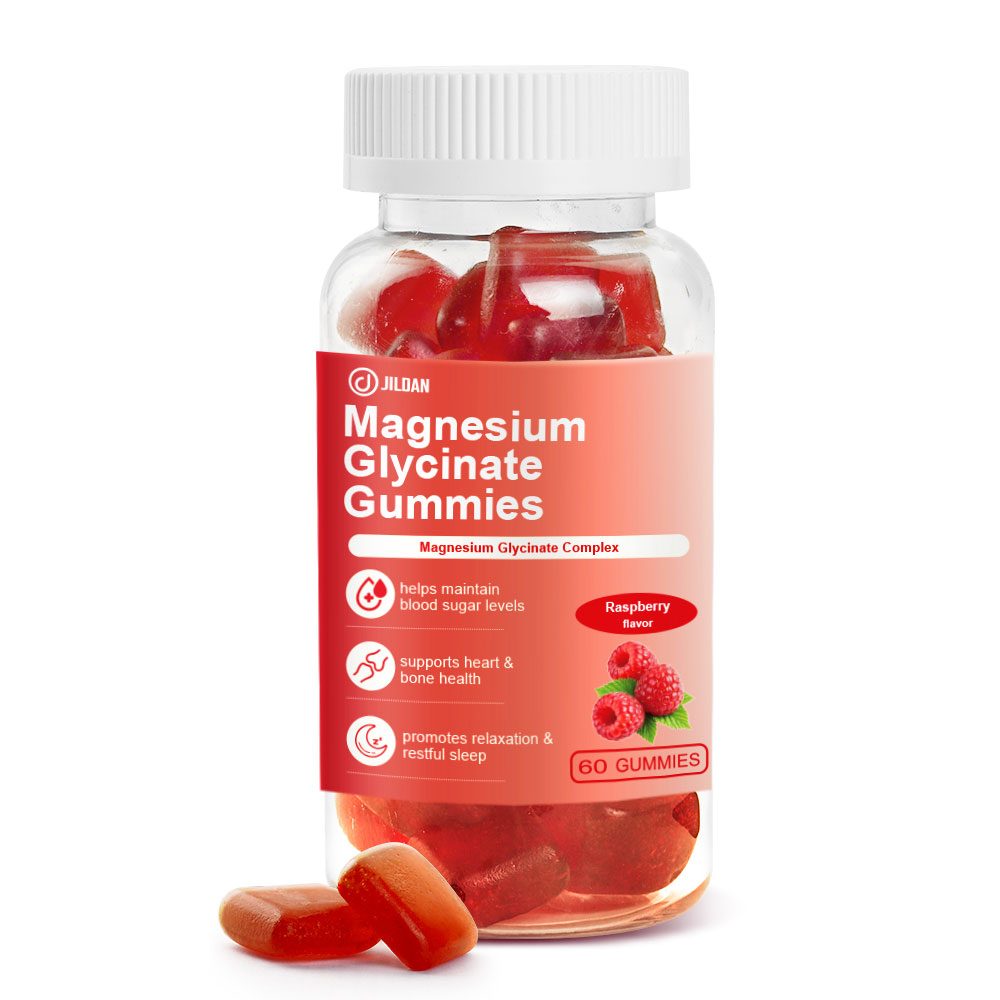
Among the many ingredients gaining attention, magnesium glycinate for sleep has become a highly searched topic among consumers and a growing area of interest for supplement brands.
Unlike traditional single-purpose supplements, modern wellness products are increasingly focused on targeted consumer needs. Instead of simply searching for “magnesium,” consumers are researching specific forms and applications, including magnesium glycinate, magnesium bisglycinate, and magnesium-based sleep support formulas.
This shift creates new opportunities for supplement manufacturers and brands that understand how ingredient selection influences product positioning.
This article explores why magnesium glycinate for sleep has become popular, how it fits into modern supplement development, and what brands should consider when creating magnesium-based wellness products.
Why Magnesium Glycinate for Sleep Has Become a Growing Search Trend
The supplement industry has moved beyond basic vitamins and minerals. Consumers today are more interested in specific ingredients designed around lifestyle goals.
Recent supplement market research shows that magnesium continues to be one of the fastest-growing mineral categories, with strong consumer interest around relaxation and sleep-related applications.
The increasing popularity of magnesium glycinate for sleep is driven by several consumer trends:
- Growing awareness of sleep quality
- Increased interest in stress management
- Demand for gentle daily wellness products
- Preference for ingredient transparency
- Growth of personalized supplement routines
Modern consumers often research ingredients before purchasing supplements. They want to understand not only what a product contains but also why a specific form is selected.
This is why magnesium glycinate has gained attention compared with generic magnesium products.
For supplement brands, this creates an opportunity to develop more targeted formulas that communicate clear benefits and ingredient advantages.
What Makes Magnesium Glycinate Different From Other Magnesium Forms
Magnesium exists in multiple forms, and each form has different characteristics.
Magnesium glycinate is created by combining magnesium with glycine, an amino acid commonly used in nutritional formulations.
When discussing magnesium glycinate for sleep, many consumers are interested in the connection between magnesium supplementation and relaxation-focused wellness routines.
Compared with some other magnesium compounds, magnesium glycinate is often positioned as a gentle option suitable for regular supplementation.
Key characteristics that make magnesium glycinate attractive include:
| Feature | Magnesium Glycinate |
|---|---|
| Mineral type | Magnesium |
| Bound compound | Glycine |
| Common applications | Wellness supplements, relaxation formulas, mineral products |
| Popular formats | Capsules, tablets, powders |
| Consumer interest | Sleep support, stress management, daily wellness |
The popularity of magnesium glycinate demonstrates a larger industry trend: consumers are becoming more educated about ingredient forms.
They no longer view all magnesium products as identical.
Instead, they compare ingredient sources, delivery methods, and formulation purposes.
How Magnesium Glycinate Fits Into Sleep Support Supplement Formulations
Sleep support supplements have become one of the fastest-growing categories within the wellness industry.
However, successful formulas require more than adding popular ingredients together.
When developing a product focused on magnesium glycinate for sleep, brands need to consider:
- Target consumer
- Product positioning
- Dosage format
- Ingredient combinations
- Label requirements
- Market regulations
Magnesium glycinate is often included in formulas designed around nighttime wellness routines.
Common product concepts may include:
- Magnesium-only supplements
- Mineral blends
- Relaxation-focused formulas
- Evening wellness products
- Combination nutritional supplements
The goal is not simply to follow a trend but to create a product that provides a clear reason for consumers to choose it.
For example, a premium magnesium formula may focus on ingredient quality, clean labeling, and convenient daily use.
A broader wellness formula may combine magnesium with complementary nutritional ingredients.
The final product strategy should always match the expectations of the target market.
The Science Behind Magnesium and Relaxation Support
Magnesium is an essential mineral involved in many biological processes, including normal muscle function, nervous system activity, and energy metabolism.
The National Institutes of Health Office of Dietary Supplements Magnesium Fact Sheet explains that magnesium plays important roles in numerous physiological functions.
Because magnesium is involved in nerve and muscle function, it has become widely discussed in wellness products designed around relaxation and nighttime routines.
However, supplement brands must carefully communicate product benefits.
Modern consumers value transparency and evidence-based information rather than exaggerated claims.
A successful product should focus on:
- Ingredient education
- Clear positioning
- Responsible communication
- Quality manufacturing
This approach helps build trust and supports long-term brand growth.
Why Supplement Brands Are Developing More Magnesium Glycinate Products
The rise of magnesium glycinate for sleep reflects a broader transformation in the supplement market.
Consumers increasingly prefer products designed around specific lifestyles rather than general nutrition.
Several factors are encouraging brands to develop magnesium glycinate products:
Increasing Demand for Sleep Wellness
Sleep has become a major wellness priority worldwide.
Consumers are searching for convenient solutions that fit into everyday routines.
Growing Interest in Clean Ingredients
Many consumers prefer supplements with simple ingredient lists and recognizable components.
Premiumization of Mineral Supplements
Minerals were once considered basic supplements.
Today, specific mineral forms are becoming important selling points.
Growth of Personalized Wellness
Consumers increasingly choose products based on personal goals.
This creates opportunities for brands to develop targeted supplement categories.
According to industry analysis, supplement innovation is increasingly moving toward personalization, transparency, and purpose-driven formulations.
Magnesium Glycinate for Sleep: Popular Product Formats and Delivery Methods
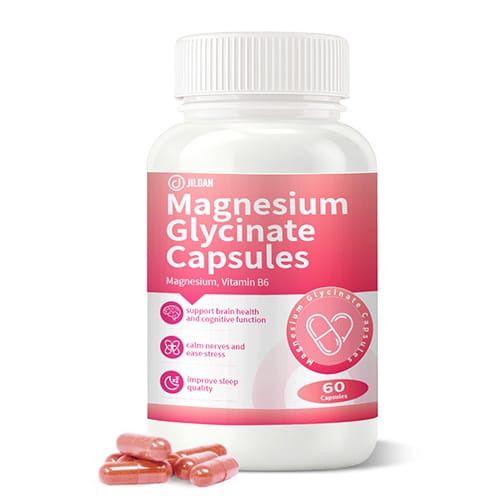
The delivery format has a major impact on consumer experience.
For brands developing products featuring magnesium glycinate for sleep, common formats include:
Capsules
Capsules remain one of the most popular supplement formats because they are convenient and easy to manufacture.
Advantages include:
- Simple dosage control
- Long shelf stability
- Easy transportation
- Consumer familiarity
Powder Supplements
Powder formulas are growing because they allow flexible serving sizes and can be combined with flavors or other ingredients.
However, brands must consider:
- Taste
- Solubility
- Texture
- Packaging requirements
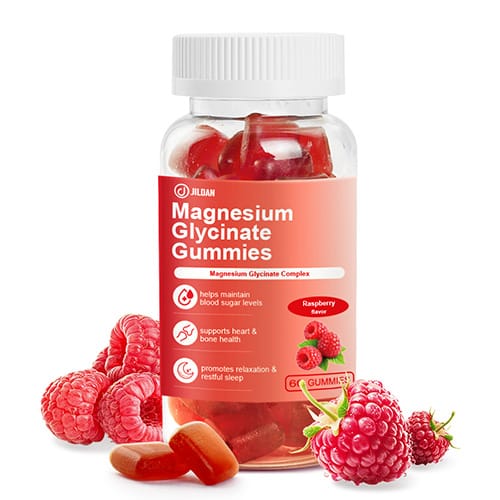
Gummies
Gummy supplements continue to attract consumers because of convenience and improved user experience.
However, gummy development requires careful attention to:
- Ingredient compatibility
- Stability
- Manufacturing requirements
Combination Formulas
Some brands create multi-ingredient products combining magnesium with other nutritional ingredients.
These formulas require professional evaluation to ensure proper balance and quality.
Key Formulation Considerations When Developing Magnesium Glycinate Supplements
Creating a successful magnesium supplement requires more than selecting a popular ingredient.
Ingredient Compatibility and Formula Design
When developing a product based on magnesium glycinate for sleep, manufacturers must evaluate how ingredients work together.
Important considerations include:
- Stability
- Serving size
- Flavor profile
- Manufacturing process
- Consumer experience
Capsules, Powders, Gummies, and Other Delivery Formats
Each format has different technical requirements.
A formulation designed for capsules may not directly translate into a powder or gummy product.
Professional formulation support helps brands select the most suitable approach.
Quality Control and Manufacturing Standards
Quality is a critical factor in supplement production.
Reliable manufacturing processes include:
- Raw material testing
- Production controls
- Batch consistency
- Quality documentation
Working with an experienced JD Nutra supplement manufacturer allows brands to develop customized nutritional products with professional support.
Consumer Trends Driving the Demand for Magnesium Glycinate Supplements
The supplement market is becoming increasingly consumer-driven.
People are researching ingredients before buying products and expecting more information about formulation choices.
Several trends support continued interest in magnesium glycinate for sleep:
Preventive Wellness
Consumers are increasingly focused on maintaining daily wellness routines.
Simple Supplement Routines
Many consumers prefer products that are easy to understand and incorporate into daily habits.
Ingredient Education
Specific ingredient forms are becoming important purchase factors.
Premium Quality Expectations
Consumers increasingly value:
- Transparency
- Testing
- Manufacturing quality
- Responsible sourcing
These trends create opportunities for supplement brands that can communicate product value clearly.
How Brands Can Create Differentiated Magnesium Glycinate Products
The market for magnesium supplements is becoming more competitive.
Simply launching another magnesium product may not be enough.
Brands can differentiate through:
Better Product Positioning
A clear target audience helps create stronger marketing messages.
Examples include:
- Active lifestyle consumers
- Wellness-focused adults
- Evening routine products
- Mineral-focused nutrition
Better Delivery Experience
Consumers increasingly care about convenience and enjoyment.
This creates opportunities for innovative formats.
Better Education
Brands that explain ingredients clearly can build stronger customer trust.
Educational content around magnesium glycinate for sleep can support both SEO visibility and customer confidence.
Common Mistakes When Developing Sleep Support Supplements
Many supplement brands make similar mistakes during product development.
Common issues include:
- Following trends without understanding consumers
- Adding too many unnecessary ingredients
- Ignoring dosage format challenges
- Making unsupported claims
- Overlooking manufacturing quality
A successful supplement requires a balance between market demand and technical feasibility.
The most effective products are not simply based on popular keywords.
They are built around real consumer needs.
Future Opportunities for Magnesium Glycinate in the Wellness Market
The future of magnesium supplements is likely to focus on more specialized products.
As consumers become more knowledgeable, they will continue moving from general supplements toward targeted formulas.
The growth of magnesium glycinate for sleep represents this shift.
Future opportunities may include:
- Personalized mineral formulas
- Combination wellness products
- Functional beverage powders
- Advanced delivery formats
- Lifestyle-focused supplements
For supplement brands, understanding consumer search behavior and ingredient trends will be essential for developing competitive products.
Conclusion
The growing interest in magnesium glycinate for sleep reflects a major change in the supplement industry.
Consumers are no longer choosing products based only on basic nutrients. They are looking for specific ingredients, clear purposes, and products that fit their daily routines.
Magnesium glycinate has become an attractive ingredient for brands developing wellness supplements because of its popularity, versatility, and strong consumer awareness.
For businesses entering the magnesium supplement market, success depends on more than selecting a trending ingredient.
A strong product requires:
- Proper formulation strategy
- Reliable manufacturing
- Quality ingredients
- Clear market positioning
By understanding consumer needs and developing products with purpose, supplement brands can create stronger opportunities in the growing wellness market.