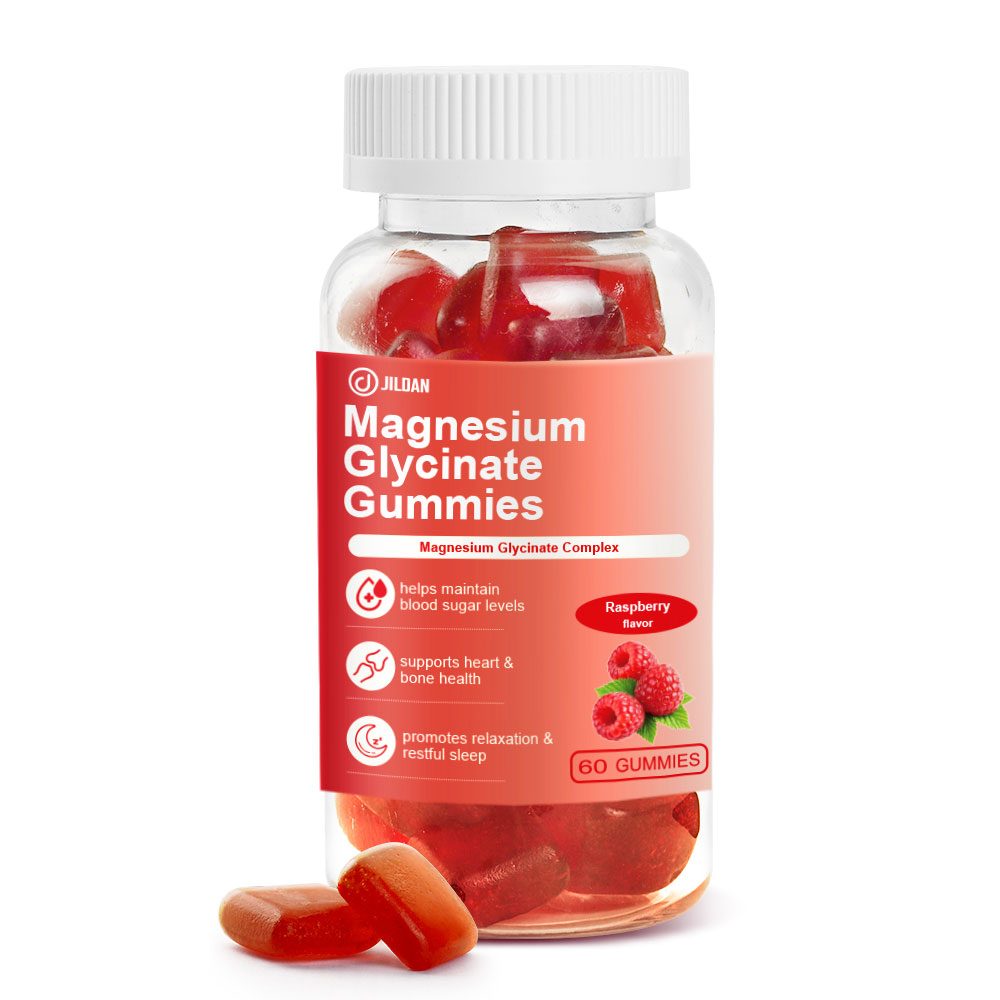
Magnesium is involved in hundreds of biochemical processes throughout the human body, which is why interest in different magnesium supplements continues to grow. But once consumers begin comparing products, one question appears again and again: magnesium glycinate vs citrate—which one is better?
The answer is not as simple as choosing one form over the other.
When comparing magnesium glycinate vs citrate, it is important to understand that the two forms are often selected for different purposes. Magnesium glycinate is commonly associated with gentle digestion and everyday supplementation, while magnesium citrate is widely known for its relationship with digestive regularity and its relatively good absorption characteristics.
For supplement brands, distributors, formulators, and consumers, understanding these differences can make product selection more informed.
This guide takes a detailed look at magnesium glycinate vs citrate, including absorption, digestive tolerance, potential applications, formulation considerations, and how to choose the right magnesium form for different wellness goals.
Why Are Different Forms of Magnesium Used in Supplements?
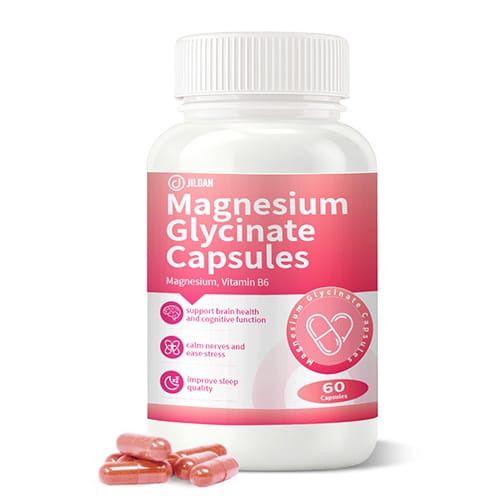
Magnesium is a mineral, but magnesium supplements are rarely composed of elemental magnesium alone. Instead, magnesium is combined with another compound, often referred to as a carrier or ligand.
The compound attached to magnesium can influence several characteristics of the finished ingredient, including:
- Elemental magnesium content
- Solubility
- Digestive tolerance
- Formulation properties
- Intended application
- Consumer positioning
This is why magnesium glycinate vs citrate is such a common comparison.
Magnesium glycinate combines magnesium with glycine, an amino acid. Magnesium citrate combines magnesium with citric acid.
Although both provide magnesium, they have different chemical characteristics and are often positioned differently within the dietary supplement market.
According to the National Institutes of Health Office of Dietary Supplements, magnesium plays an important role in processes including muscle and nerve function, energy production, protein synthesis, and bone health.
Because magnesium is involved in so many functions, supplement manufacturers have developed multiple ingredient formats to meet different formulation and consumer needs.
Magnesium Glycinate vs Citrate: The Basic Difference
The most important difference between magnesium glycinate vs citrate is the compound bound to the magnesium.
| Feature | Magnesium Glycinate | Magnesium Citrate |
|---|---|---|
| Magnesium source | Magnesium + glycine | Magnesium + citric acid |
| Common positioning | Gentle daily supplementation | Digestive and general magnesium support |
| Digestive tolerance | Often considered gentle | May have a stronger effect on bowel activity |
| Formulation use | Capsules, tablets, powders | Powders, capsules, tablets and liquids |
| Consumer interest | Relaxation and daily wellness | Magnesium intake and digestive regularity |
These differences do not necessarily mean that one ingredient is universally superior.
Instead, magnesium glycinate vs citrate should usually be considered in relation to the intended product and target consumer.
For example, a supplement designed for everyday wellness may prioritize digestive comfort, while a product positioned around digestive regularity may use a different magnesium form.
Is Magnesium Glycinate Easier on the Stomach?
One reason magnesium glycinate has attracted significant attention is its reputation for being relatively gentle.
The glycine component gives magnesium glycinate a different profile compared with some other magnesium salts. This has made it a popular option for products designed for regular use.
When discussing magnesium glycinate vs citrate, digestive tolerance is often one of the main decision points.
Magnesium citrate is known for its osmotic activity in the digestive tract. In certain applications, this characteristic can be desirable. However, consumers who are particularly sensitive to changes in bowel movements may prefer a magnesium form positioned around gentle daily supplementation.
This does not mean that magnesium citrate is unsuitable for regular supplements. Tolerance can vary depending on serving size, total magnesium intake, individual sensitivity, and the overall product formulation.
For supplement developers, this is why ingredient selection should not be based on popularity alone.
The intended consumer experience matters.
Magnesium Glycinate vs Citrate for Daily Supplementation
For daily magnesium products, manufacturers often consider several factors beyond magnesium content.
These may include:
- Serving size
- Capsule size
- Powder solubility
- Flavor requirements
- Consumer tolerance
- Target demographic
- Other active ingredients
- Recommended use
When evaluating magnesium glycinate vs citrate for daily supplementation, magnesium glycinate is often selected for formulations focused on consistent, long-term use.
It can fit well into products positioned around general wellness, evening routines, or nutritional support.
Magnesium citrate can also be used for daily supplementation, particularly when the product is intended to combine magnesium support with digestive considerations.
The right choice depends on the product concept.
For example, a simple one-ingredient magnesium capsule may have different formulation requirements from a multi-ingredient powder containing electrolytes, vitamins, amino acids, or botanical ingredients.
This is why experienced manufacturers evaluate the complete formulation rather than choosing an ingredient based on search popularity alone.
For businesses developing custom nutritional products, working with an experienced dietary supplement manufacturing partner can help evaluate ingredient compatibility, dosage formats, and manufacturing requirements before production begins.
How Does Absorption Compare Between Magnesium Glycinate and Citrate?
Absorption is another major topic in the magnesium glycinate vs citrate discussion.
However, magnesium absorption is influenced by many variables.
These can include:
- The magnesium compound
- Total amount consumed
- Individual nutritional status
- Food intake
- Gastrointestinal conditions
- Overall diet
- Serving size
It is therefore difficult to describe one magnesium form as automatically “the best” for every person.
Magnesium citrate is generally considered a soluble magnesium compound and has been widely studied as a magnesium source.
Magnesium glycinate has also become increasingly popular because amino acid-chelated mineral forms are commonly used in nutritional supplements.
Research comparing different magnesium preparations suggests that bioavailability can vary between formulations and study conditions. The important point is that absorption should be considered alongside tolerance and intended use.
A supplement ingredient with excellent theoretical characteristics may not necessarily be the best choice if it creates formulation challenges or does not align with consumer expectations.
For this reason, magnesium glycinate vs citrate is ultimately a broader product development question rather than simply an absorption competition.
Why Magnesium Citrate Is Commonly Associated With Digestive Support
Magnesium citrate has a well-established relationship with digestive function.
Magnesium salts can influence water movement within the intestinal tract, which is one reason certain magnesium products are associated with bowel regularity.
This characteristic makes magnesium citrate particularly relevant to formulations targeting digestive wellness.
When comparing magnesium glycinate vs citrate, this distinction can help brands create clearer product positioning.
A magnesium citrate formula may be appropriate for:
- Digestive wellness products
- Powder drink mixes
- General magnesium formulas
- Products focused on occasional digestive support
However, product claims must always comply with the regulations of the intended market.
Manufacturers should avoid making unsupported therapeutic claims and should ensure that labeling follows applicable dietary supplement regulations.
The U.S. Food and Drug Administration dietary supplement guidance provides important information for businesses developing and marketing dietary supplements in the United States.
Magnesium Glycinate vs Citrate for Sleep and Relaxation Formulas
Sleep and relaxation supplements have become an increasingly important category in the global wellness market.
This has also increased consumer interest in magnesium glycinate.
The glycine component is one reason this form is often included in products designed for evening or relaxation routines.
When comparing magnesium glycinate vs citrate for these formulations, product developers often look beyond magnesium alone.
A complete formula may also include other nutritional ingredients designed for relaxation or nighttime use.
However, combining multiple ingredients requires careful attention to:
- Ingredient compatibility
- Serving size
- Capsule capacity
- Flavor
- Stability
- Labeling requirements
- Target market regulations
Magnesium glycinate may be easier to position in this category because consumers increasingly associate the ingredient with nighttime wellness routines.
That said, product positioning should always be supported by compliant labeling and appropriate evidence.
For businesses developing a custom magnesium formula, the broader product concept should be evaluated before selecting the magnesium source.
A reliable supplement manufacturer can help assess whether magnesium glycinate, magnesium citrate, or another magnesium compound is the better fit for the intended dosage form.
Which Form Contains More Elemental Magnesium?
Another important factor in the magnesium glycinate vs citrate comparison is elemental magnesium.
Different magnesium compounds contain different proportions of elemental magnesium by weight.
This affects how much raw material may be required to deliver a specific amount of elemental magnesium.
For formulators, this can influence:
- Capsule size
- Number of capsules per serving
- Powder serving weight
- Manufacturing efficiency
- Combination formulas
A compound with a lower percentage of elemental magnesium may require a larger amount of raw material to deliver the same amount of elemental magnesium.
However, higher elemental content does not automatically make an ingredient better.
A successful supplement formula must balance multiple factors.
For example, a manufacturer may accept a larger ingredient weight if the form offers advantages related to consumer positioning or formulation characteristics.
This is another reason why magnesium glycinate vs citrate should be evaluated according to the complete product design.
Magnesium Glycinate vs Citrate: Which Is Better for Powder Supplements?
Powder supplements are becoming increasingly popular because they allow manufacturers to create flexible serving sizes and combine multiple ingredients.
When selecting between magnesium glycinate vs citrate for powders, several technical considerations become important.
Solubility
The finished drink should provide an acceptable consumer experience.
Poor dispersibility or unpleasant texture can negatively affect product acceptance.
Taste
Magnesium ingredients may influence the flavor profile of a powder.
This becomes especially important in flavored products.
Serving Size
The amount of elemental magnesium required may influence the total scoop size.
Compatibility
Other ingredients such as electrolytes, amino acids, vitamins, acids, or flavors may interact with the formulation.
Stability
The final formula should remain stable throughout its intended shelf life.
A powder formula therefore requires more than simply selecting the most searched magnesium ingredient.
The manufacturing team should evaluate the entire ingredient system.
Businesses interested in developing customized nutritional formulas can explore JD Nutra’s supplement development and manufacturing solutions to determine which ingredient and dosage format best supports their product concept.
How Supplement Brands Should Choose Between Magnesium Glycinate and Citrate
For brands, the decision between magnesium glycinate vs citrate should begin with the target consumer.
Instead of asking, “Which magnesium form is best?” a better question is:
What problem is this product designed to address, and what experience should the consumer have?
A useful decision framework includes the following factors.
Define the Product Positioning
Is the product designed around:
- Daily wellness?
- Digestive support?
- Evening routines?
- Sports nutrition?
- General mineral supplementation?
The answer can help narrow the ingredient options.
Choose the Delivery Format
Capsules, tablets, powders, gummies, and liquid supplements have different formulation requirements.
A magnesium ingredient that works well in a capsule may not provide the same experience in a flavored powder.
Consider Consumer Tolerance
Digestive sensitivity should be considered when determining serving sizes and ingredient forms.
Evaluate Regulatory Requirements
Different countries have different regulations governing dietary supplements and permitted claims.
The National Library of Medicine’s PubMed database can also be used to review published scientific literature when evaluating ingredient research.
Work With an Experienced Manufacturer
Ingredient sourcing, testing, blending, encapsulation, packaging, and quality control all influence the finished product.
Choosing between magnesium glycinate vs citrate is only one step in the development process.
Can Magnesium Glycinate and Citrate Be Used in Different Product Lines?
Yes.
A supplement brand does not necessarily need to choose only one magnesium form across its entire product portfolio.
Different magnesium compounds can support different product concepts.
For example, a company may develop:
- A daily magnesium supplement
- An evening wellness formula
- A digestive wellness product
- A hydration powder containing magnesium
Each product can have different formulation requirements.
This approach can also help brands create clearer product differentiation.
Instead of offering several products with nearly identical ingredient profiles, businesses can develop formulas that serve distinct consumer needs.
From a manufacturing perspective, this requires careful planning around raw material specifications, quality testing, manufacturing capabilities, and packaging requirements.
For brands looking to create differentiated dietary supplements, working with a qualified manufacturer can simplify the transition from product concept to finished formulation.
Common Mistakes When Choosing a Magnesium Supplement Ingredient
The growing popularity of magnesium has also created confusion.
One common mistake is assuming that the most frequently discussed ingredient is automatically the best choice.
Another mistake is focusing only on elemental magnesium.
A product must also consider consumer tolerance, delivery format, formulation compatibility, and intended positioning.
Other common issues include:
- Selecting ingredients before defining the target market
- Ignoring capsule or serving size limitations
- Using overly complicated formulations
- Making unsupported health claims
- Failing to evaluate ingredient interactions
- Overlooking flavor and texture in powder products
When comparing magnesium glycinate vs citrate, the most effective approach is to evaluate the ingredient within the context of the complete product.
This creates a better foundation for formulation, manufacturing, labeling, and long-term product positioning.
The Growing Opportunity for Magnesium Supplement Formulations
Magnesium remains a widely recognized mineral within the nutritional supplement industry.
As consumers become more interested in personalized wellness, ingredient transparency, and targeted nutritional products, the demand for differentiated magnesium formulations is likely to continue.
This creates opportunities for brands to develop products around specific consumer preferences.
The comparison between magnesium glycinate vs citrate reflects a broader trend in the supplement industry: consumers are increasingly interested not only in what nutrient a product contains, but also in the specific form of that nutrient.
For manufacturers and brands, this means ingredient education is becoming an important part of product development.
A well-designed magnesium supplement should combine:
- Appropriate ingredient selection
- Clear product positioning
- Suitable dosage format
- Reliable manufacturing processes
- Quality control
- Compliant labeling
These factors together have a much greater impact on the success of a finished supplement than simply selecting the most popular ingredient form.
Magnesium Glycinate vs Citrate: Which One Should You Choose?
So, which option wins in the comparison of magnesium glycinate vs citrate?
Neither is automatically better in every situation.
Magnesium glycinate may be a strong choice for products focused on gentle daily supplementation and wellness-oriented positioning.
Magnesium citrate may be particularly suitable for formulations where digestive considerations are part of the product concept.
The best option depends on the intended consumer, dosage format, ingredient combination, and product positioning.
For supplement businesses, the decision should be based on formulation strategy rather than online popularity alone.
A carefully developed product can turn a common mineral into a differentiated supplement that better meets the expectations of a specific market.
If you are planning to develop a magnesium supplement or expand an existing wellness product line, contact JD Nutra to discuss formulation, manufacturing, and customized supplement development options.
Conclusion
The debate around magnesium glycinate vs citrate is not about finding one universal winner.
Both forms can serve valuable roles in dietary supplement formulations.
Magnesium glycinate is often selected for products focused on gentle daily use and wellness-oriented positioning, while magnesium citrate is commonly associated with magnesium supplementation and digestive applications.
The most effective choice depends on the complete product strategy, including the target consumer, delivery format, ingredient profile, serving size, and regulatory requirements.
For supplement brands, distributors, and entrepreneurs, understanding these differences can support better product decisions and stronger market positioning.
As interest in magnesium supplements continues to grow, choosing the right form is becoming an important part of creating products that are both technically practical and aligned with consumer expectations.