Choosing a China gummies manufacturer can give supplement brands access to custom formulation, multiple gummy formats, integrated packaging, and an established ingredient supply chain. But finding a factory that can produce gummies is not the same as finding a manufacturing partner that can deliver a consistent, compliant, market-ready supplement.
The most important questions go beyond sample appearance or a supplier’s initial quotation. Can the factory manufacture your specific formula consistently? Can it substantiate ingredient specifications? Does it have documented quality controls? Can it support your target market’s labeling requirements? And can it scale production without compromising texture, stability, or finished-product quality?
For brands developing vitamins, minerals, probiotics, collagen, sports nutrition, beauty supplements, or botanical gummies, these questions should shape the sourcing process from the beginning.
This guide explains how to evaluate a China gummies manufacturer, compare OEM and ODM services, assess gummy formulation capabilities, review quality documentation, plan packaging and production, and prepare a more effective request for quotation.
Why Supplement Brands Source a China Gummies Manufacturer
China is an important sourcing option for brands seeking contract manufacturing and product development. However, supplier suitability depends on the factory’s actual capabilities, quality systems, technical experience, and ability to meet the requirements of the intended market.
A qualified China gummies manufacturer may support several parts of the product lifecycle.
Integrated Formulation and Manufacturing
Some suppliers offer only manufacturing against an established formula. Others provide ingredient selection, formulation development, sample preparation, production, packaging, and technical coordination.
An integrated model can simplify communication because fewer separate vendors are involved. It can also help identify formulation problems before a brand commits to commercial production.
For example, a proposed mineral gummy may require a different approach from a pectin-based vitamin gummy. A probiotic gummy may require additional attention to viable microorganism counts and storage stability. A botanical gummy may need careful consideration of extract specifications, flavor, color, and ingredient compatibility.
Ask the manufacturer which activities it performs directly and which it outsources. A broad service description is not enough; the project team should explain the actual workflow for your formula.
Access to Multiple Gummy Categories
A gummy supplier may work with several product categories, including:
- Multivitamin and single-vitamin gummies
- Mineral and magnesium gummies
- Collagen and beauty gummies
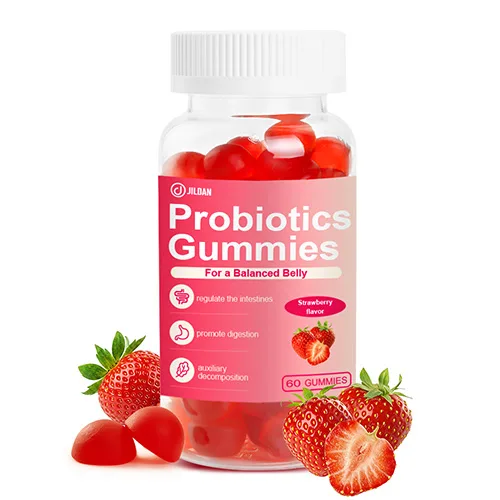
- Probiotic and prebiotic gummies
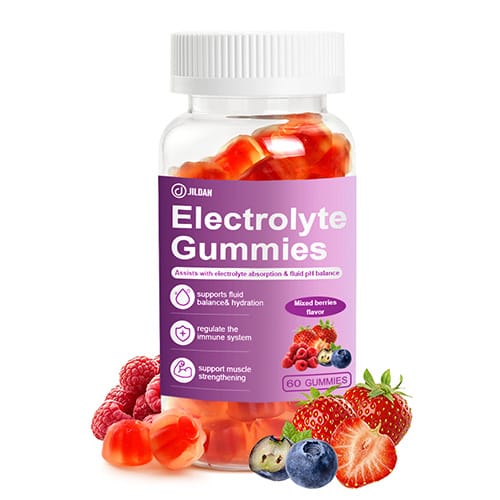
- Electrolyte and sports nutrition gummies
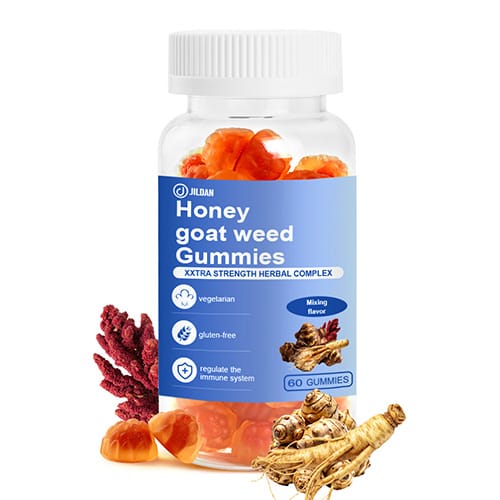
- Botanical and relaxation gummies
- Children’s nutritional gummies, where the factory has the relevant capabilities
Each category presents different technical challenges. The ability to make one conventional fruit-flavored gummy does not automatically establish experience with every active ingredient or target consumer.
Brands can review JD Nutra’s gummy product options to explore potential product directions, then assess the requirements of the specific formula before requesting samples.
Packaging and Export Coordination
Packaging can affect product protection, shipping efficiency, shelf life, and the consumer experience. A China gummies manufacturer that coordinates formulation, filling, labeling, and packaging may reduce the number of handoffs between vendors.
However, confirm whether the supplier handles each packaging activity in-house, coordinates with qualified partners, or expects the brand to source components independently.
The right arrangement depends on the product, destination market, packaging design, and the brand’s supply-chain requirements.
China Gummies Manufacturer vs. a General Supplement Factory
Not every dietary supplement factory has the same gummy production expertise. Gummies require a combination of formulation, cooking or processing control, depositing or forming, drying or setting, finishing, and packaging.
A manufacturer that specializes in capsules or tablets may have a different equipment base and technical team from one that regularly produces functional gummies.
What Gummy-Specific Experience Looks Like
During supplier evaluation, ask about experience with:
- Pectin-based and gelatin-based gummy systems
- Active ingredients that affect taste, texture, or processing
- Moisture and water-activity control
- Texture consistency between production batches
- Ingredient dispersion and dose uniformity
- Packaging compatibility and stability assessment
- Commercial-scale production and documented batch release
The factory should be able to explain which of these controls matter for your product, rather than providing the same generic answer for every formula.
Evaluate the Actual Product, Not Just the Factory Brochure
A facility may list dozens of gummy categories on its website. Your decision should depend on whether it can produce the formula you intend to sell.
For instance, a high-loading mineral gummy can be more challenging than a simple vitamin gummy because mineral salts may create bitterness, chalkiness, or texture problems. A gummy containing a sensitive active ingredient may need a different processing and packaging strategy.
Request evidence relevant to your category: comparable formulation experience, sample specifications, testing plans, and the proposed approach to production control.
OEM, ODM, and Private Label Gummies: What Is the Difference?
Before comparing a China gummies manufacturer with other suppliers, define the type of manufacturing relationship you need.
OEM Gummies Manufacturing
OEM generally refers to manufacturing a product according to specifications supplied or agreed with the customer. The brand may provide a developed formula, ingredient requirements, label specifications, and packaging design.
OEM can be appropriate when the brand already has a technically validated formula and needs a supplier capable of reproducing it consistently.
Before starting, agree on the master formula, ingredient specifications, manufacturing tolerances, testing requirements, packaging configuration, and rules for approving any changes.
ODM Gummies Development
ODM typically involves more development support from the manufacturer. The supplier may help create or adapt the formula, select ingredients, prepare samples, refine flavor and texture, and coordinate packaging.
ODM can be useful for brands that have a product concept but do not yet have a finalized formula.
The brand should still retain control over its commercial objectives, target markets, required claims, product specifications, and approval process.
Private Label Gummies
Private label usually means selling a product under your own brand using a manufacturer’s existing or adapted formula.
This can reduce the amount of development needed compared with building a product from scratch. However, “private label” does not necessarily mean every detail can be customized.
Ask whether the available formula permits changes to active ingredients, serving size, flavor, sweetener system, gummy base, color, bottle count, label, or packaging.
For a broader discussion of formulation, manufacturing, and packaging support, see JD Nutra’s supplement CDMO services.
How to Evaluate Gummy Formulation Capabilities
The formula is one of the most important determinants of whether a product can be manufactured consistently.
A credible China gummies manufacturer should be willing to discuss technical limitations before the project moves into commercial production.
Start With the Active Ingredient
Define the active ingredient and its intended amount per serving before selecting the gummy base or flavor.
The amount of active ingredient that can be incorporated depends on factors such as:
- Ingredient bulk and solubility
- Taste and odor
- Heat and moisture sensitivity
- Compatibility with other ingredients
- Required serving size
- Stability during processing and storage
- Intended product claims and destination market
A formula that looks feasible on paper may not produce an acceptable gummy after processing. Ingredient loading can affect chew, appearance, flavor, moisture, and manufacturing yield.
The manufacturer should identify these trade-offs early and propose a realistic development plan.
Pectin or Gelatin?
Pectin and gelatin are common gummy-forming systems, but they are not interchangeable in every formula.
Pectin-based products are often considered when a plant-based positioning is important. Gelatin-based products can provide a different chew and texture profile. The appropriate choice depends on the intended sensory experience, processing conditions, ingredient system, and market positioning.
Ask the factory to explain:
- Which gummy base it recommends and why
- Whether the formula meets the brand’s dietary preferences
- How the active ingredients affect setting and texture
- Which process parameters require control
- Whether the final texture remains acceptable during shelf life
Do not select a base based on a “vegan” or “premium” label alone. Confirm the actual ingredients and finished-product characteristics.
Flavor, Sweeteners, and Texture
Active ingredients can introduce bitterness, sourness, earthy notes, or a lingering aftertaste. Sweeteners and flavor systems may improve the consumer experience, but they can also change texture and processing behavior.
The sample-development process should assess more than whether the gummy tastes good on the day it arrives.
Review flavor intensity, aftertaste, chewiness, stickiness, surface finish, color consistency, and the effect of storage. If the brand intends to make a sugar-free or reduced-sugar product, define the exact requirements and ask the manufacturer to assess their technical feasibility.
The final formula should be approved against written criteria rather than informal comments such as “good flavor” or “nice texture.”
Quality Control: Documents a China Gummies Manufacturer Should Explain
Quality assurance is not established by a logo on a website or a statement that a factory follows international standards. Brands should review the supplier’s documentation, procedures, scope of certification, and product-specific controls.
For the U.S. market, the FDA’s dietary supplement current good manufacturing practice guidance explains requirements covering manufacturing, packaging, labeling, holding, specifications, and quality-control activities.
Use the applicable regulatory framework for the product and destination market when evaluating a supplier.
Verify Certifications and Their Scope
Ask for current copies of relevant certificates and check:
- The legal entity named on the certificate
- The facility address
- The certification standard
- The issuing or certification body
- The scope of products and activities covered
- The validity period and any relevant limitations
A certificate may apply to a particular site or activity rather than every product and manufacturing operation offered by a supplier.
Likewise, FDA facility registration should not be treated as FDA approval of a dietary supplement or a guarantee that a product is compliant. The FDA explains the regulatory distinction in its dietary supplement overview.
Review Raw-Material Controls
A robust raw-material program should identify incoming materials and establish suitable specifications before they enter production.
Depending on the ingredients and risks, the supplier may need to review identity, purity, strength, relevant contaminants, microbiological quality, and supplier documentation.
For botanical extracts, ask how the extract is identified and specified. For vitamins and minerals, ask how material identity and potency are verified. For probiotics, ask how strain identity and viable counts are documented.
The exact testing plan should be based on the ingredients, formulation, applicable requirements, and risk assessment.
Ask About Finished-Product Testing
Finished-product testing should be defined before the production order is placed.
Depending on the formula and market, the plan may include:
- Identity or potency verification for relevant ingredients
- Microbiological testing
- Heavy-metal or other contaminant testing where appropriate
- Physical and sensory specifications
- Moisture or water-activity measurements where relevant
- Packaging and label checks
- Additional product-specific tests justified by the formula
Request a sample certificate of analysis (COA) and clarify which tests are performed by the factory and which are handled by an external laboratory.
A COA is useful only when it corresponds to the relevant material or finished batch and reports meaningful specifications and results. Ask how out-of-specification results are investigated and how product release is authorized.
Traceability and Batch Records
A manufacturer should be able to explain how raw materials, production records, finished products, and packaging components are linked to a specific batch.
Ask how the supplier handles deviations, rejected materials, rework where permitted, complaints, and product traceability.
For regulated products, documented procedures are more valuable than verbal assurances because they provide a basis for investigation and consistent decisions.
Stability Testing and Shelf-Life Planning
Gummies are sensitive to their formulation, processing, packaging, and storage environment. A sample that looks excellent immediately after production does not establish the shelf life of the commercial product.
A suitable stability plan should reflect the product’s risks and intended packaging.
What Should Be Monitored?
Depending on the formula, stability evaluation may consider:
- Appearance and color
- Texture, chewiness, and stickiness
- Flavor and odor
- Moisture-related characteristics
- Relevant active ingredient levels
- Microbiological quality
- Package integrity and performance
Not every product needs the same test list. A vitamin gummy, a probiotic gummy, and an oil-based nutrient gummy may have different stability priorities.
Test the Commercial Package
The package is part of the product system. A bottle, pouch, closure, liner, and desiccant—where used—can influence moisture exposure and product performance.
Confirm whether the proposed stability work uses the intended commercial packaging and storage conditions. Ask how the supplier determines shelf life and whether the data support the proposed expiry date.
Avoid relying on an unsupported shelf-life statement simply because a similar gummy has previously been produced.
Packaging Options and Brand Customization
A China gummies manufacturer may offer a range of packaging options, but the best choice depends on the product, distribution channel, and target consumer.
Bottles, Pouches, and Secondary Packaging
Common considerations include:
- Bottle or pouch material
- Closure and seal integrity
- Product count per package
- Label dimensions and readability
- Protection from moisture and environmental exposure
- Cartons and shipping configuration
- Compatibility with ecommerce or retail distribution
Packaging selection should happen early enough to allow for component sourcing, artwork approval, and compatibility checks.
Custom Shapes, Colors, and Flavors
Custom gummy shapes and colors can help a brand differentiate its product, but they may introduce additional tooling, development, or production considerations.
Before approving a custom design, clarify whether the shape can be manufactured reliably at the required scale and whether the selected color and flavor system works with the active ingredients.
For a first launch, a proven standard shape may reduce complexity while the brand validates demand. A distinctive design may be appropriate when it serves a clear brand or consumer purpose.
Label and Artwork Approval
The manufacturer should work from a controlled, approved label file and a clearly defined product specification.
For U.S.-bound dietary supplements, the FDA provides a Dietary Supplement Labeling Guide. For EU products, review the European Commission’s information on food supplements and nutrition and health claims.
Regulatory requirements depend on the destination market and product classification. The brand should ensure that the final ingredient declaration, nutrition or Supplement Facts information, directions, warnings, and claims are appropriate before printing.
MOQ, Lead Time, and Production Planning
Minimum order quantity (MOQ) and lead time should be evaluated against the full project scope rather than treated as isolated numbers.
A supplier’s minimum may vary according to the formula, active ingredients, packaging materials, custom tooling, batch size, and production schedule.
What Influences MOQ?
Ask whether the minimum order is driven by:
- A standard formula or custom formulation
- Raw-material purchasing requirements
- Gummy production batch size
- Custom flavor or color requirements
- Packaging component minimums
- Printed labels, cartons, or custom containers
- Testing and release requirements
Request clarification on whether the MOQ applies to each formula, flavor, package configuration, or combined production order.
What Influences Lead Time?
The production timeline may include formula review, sample development, sample approval, ingredient sourcing, packaging procurement, manufacturing, testing, quality release, and shipment preparation.
A realistic project schedule identifies these stages and the dependencies between them.
Ask which activities can run in parallel and which require your approval before the next step can begin. Confirm what happens if a sample needs revision or a packaging component is delayed.
Plan for Repeat Orders
A supplier should understand the brand’s expectations beyond the first shipment.
Discuss forecast sharing, ingredient availability, production-slot planning, specification control, and notification of proposed changes to raw materials or processes.
Repeat-order consistency is especially important when a brand has established customer reviews, retail commitments, or marketplace listings tied to a specific product experience.
Export Compliance and Destination-Market Requirements
A product manufactured in China is not automatically compliant in every country where a brand wants to sell it. Requirements depend on the product category, ingredients, claims, labeling, import rules, and destination market.
U.S. Market Considerations
For U.S.-bound dietary supplements, brands should review applicable FDA requirements for manufacturing, labeling, facility registration where required, and ingredient status.
The FDA’s dietary supplement CGMP guidance is a useful starting point for understanding the quality-system framework.
Do not interpret a supplier’s registration or certificate as a blanket approval of every formula it manufactures. Responsibility for ensuring that the marketed product meets applicable requirements must be clearly understood between the brand and its manufacturing partner.
European Union Market Considerations
For the EU, the European Commission explains that food supplements are subject to rules concerning ingredients, labeling, and consumer protection. National notification procedures may also apply depending on the destination country.
See the Commission’s food supplements overview and guidance on nutrition and health claims.
Ask the manufacturer to provide relevant technical documents, but do not assume that a factory can replace the brand’s regulatory review or legal advice for every market.
Claims Need Separate Review
A gummy’s formulation, label, website copy, and advertising should tell a consistent and supportable story.
Claims relating to disease treatment, prevention, or other regulated health outcomes may create compliance risks. Claims that are acceptable in one market may not be acceptable in another.
Before approving artwork, define the intended claims and have them reviewed against the rules applicable to the target market. Manufacturing capability alone does not establish that a product claim is lawful.
How to Compare China Gummies Manufacturers Fairly
Supplier comparison works best when each candidate answers the same questions using comparable evidence.
A simple scorecard can help prevent an attractive sample or low initial quote from overshadowing important quality and technical issues.
| Evaluation area | What to request |
|---|---|
| Gummy experience | Relevant product examples and technical capabilities |
| Formulation | Formula review, sample process, and known limitations |
| Quality system | Applicable certificates, procedures, and batch documentation |
| Testing | Proposed test plan, sample COA, and lab responsibilities |
| Stability | Shelf-life rationale and package-specific study approach |
| Packaging | Available formats, component sourcing, and artwork workflow |
| Regulatory support | Documentation and destination-market coordination |
| Production planning | MOQ assumptions, lead-time stages, and repeat-order process |
| Communication | Named project contact, response process, and change control |
| Commercial terms | Scope of work, exclusions, and written responsibilities |
For every supplier, record whether an answer is documented, needs verification, or remains unresolved. A manufacturer that responds clearly to difficult technical questions may be easier to evaluate than one that relies on broad promotional language.
Red Flags When Sourcing a China Gummies Manufacturer
Several warning signs deserve further investigation.
Unsupported Certification Claims
Be cautious if a supplier cannot provide a current certificate or explain the issuing body, scope, facility, and validity.
A certification logo should be treated as a starting point for verification, not proof that every product or process meets every market requirement.
No Clear Testing Plan
If the manufacturer cannot explain what will be tested, why it matters, and who is responsible, the project may lack a defined quality framework.
Before placing an order, agree on specifications, test methods where relevant, acceptance criteria, documentation, and batch-release responsibilities.
Samples Without Written Specifications
A sample can be useful for sensory evaluation, but it is not a complete commercial specification.
Record the approved formula, ingredient requirements, texture and appearance criteria, package configuration, and relevant testing requirements. Establish how future production batches will be compared with the approved sample.
Unclear Responsibility for Labeling and Compliance
A factory may assist with label preparation, but the brand should not assume that a manufacturer’s review guarantees legal compliance in every market.
Define who provides the label content, who reviews it, who approves the final artwork, and who is responsible for market-specific claims and notifications.
Uncontrolled Formula or Supplier Changes
Changes to ingredients, suppliers, processes, or packaging can affect product performance. Ask how changes are documented, evaluated, communicated, and approved before implementation.
The agreement should make clear which changes require written brand approval and how the finished product’s specifications are maintained.
What to Include in Your RFQ to a China Gummies Manufacturer
A detailed request for quotation (RFQ) helps suppliers assess feasibility and helps brands compare responses on the same basis.
1. Product Concept
Describe the product category, target consumer, intended market, and main positioning. State whether the project is a new formula, a modified stock formula, or an established formula ready for manufacturing.
2. Ingredient and Formula Requirements
Provide the preferred active ingredients, target amounts per serving, ingredient sources where relevant, allergen requirements, and any restrictions. If the formula is not finalized, ask the manufacturer to identify the information needed for a feasibility review.
3. Gummy Specifications
Define the preferred gummy base, flavor direction, color, serving size, count per package, and sweetener requirements. Identify the characteristics that are essential versus those that can be adjusted during sample development.
4. Quality and Testing
List the expected raw-material documentation, finished-product specifications, relevant tests, COA requirements, stability expectations, and any destination-market documentation required.
Ask the supplier to identify which services are included and which would require a separate arrangement.
5. Packaging and Artwork
Specify the preferred bottle or pouch, label, carton, closure, and any special packaging requirements. Provide draft artwork if available, while making clear that final files will be approved through a controlled process.
6. Production and Timeline
State the expected initial order, estimated repeat-order demand, target launch date, and sample requirements. Ask the manufacturer to separate sample development, packaging procurement, production, testing, and shipment preparation in the proposed timeline.
7. Commercial and Communication Requirements
Request a written scope covering the formula, testing, packaging, documentation, responsibilities, change control, and production assumptions. Confirm who will manage technical questions and project updates.
A complete RFQ gives a China gummies manufacturer enough information to respond meaningfully without relying on vague assumptions.
Working With JD Nutra on a Gummy Supplement Project
JD Nutra provides dietary supplement development and manufacturing support across formats including gummies, capsules, tablets, powders, softgels, and liquids. Its service model covers formulation, manufacturing, and packaging coordination.
For brands considering a gummy project, the next step is to define the product requirements and determine whether the desired formula, quality specifications, packaging, and target-market needs are technically feasible.
Relevant starting points include:
- JD Nutra supplement CDMO services — for formulation, manufacturing, and packaging support.
- Kids Multivitamin Gummies — an example of a gummy product concept.
- Women Multivitamin Gummies — another example of a gummy product category.
- Private Label Probiotics Gummies: Manufacturer Guide — for category-specific formulation and stability considerations.
- Private Label Collagen Gummies: Manufacturer Guide — for collagen-related gummy development considerations.
- Contact JD Nutra — to submit project requirements for review.
These pages can help brands narrow down a concept before discussing the detailed formula and production specifications. Final feasibility, testing, documentation, MOQ, and timing should be confirmed for the specific project rather than assumed from a general product listing.
FAQ
What should I look for in a China gummies manufacturer?
Prioritize relevant gummy experience, a documented quality system, formulation capability, a product-specific testing plan, stability support, packaging coordination, and clear communication. Verify certificates and technical documentation instead of relying only on website claims.
Can a China gummies manufacturer develop a custom formula?
Some manufacturers provide custom formulation or ODM services, while others focus on producing established formulas. Confirm the supplier’s actual R&D role, sample-development process, customization limits, and ownership or confidentiality terms before starting.
Can I use my own formula?
That depends on the manufacturer’s technical capability and the formula’s feasibility. Provide the formula and ingredient specifications for review, then agree on how it will be protected, approved, manufactured, tested, and controlled.
How do I evaluate the quality of gummy samples?
Assess flavor, texture, appearance, size, stickiness, and packaging suitability. Also request written specifications and a testing plan. Sensory evaluation alone cannot establish ingredient potency, microbiological quality, contaminant control, or shelf life.
Does an FDA registration mean a gummy product is FDA-approved?
No. FDA explains that it does not approve dietary supplements for safety and effectiveness before they are marketed. Registration, where applicable, should not be represented as approval of a facility’s individual products. Review the FDA’s dietary supplement overview for context.
Can one manufacturer support several gummy categories?
Possibly, but capability should be confirmed category by category. Different active ingredients can introduce different requirements for flavor, processing, stability, testing, and labeling. Ask for evidence relevant to each planned formula.
What information should I send before requesting a quotation?
Start with the target market, product concept, ingredient requirements, serving size, gummy base preference, packaging format, expected order quantity, testing requirements, and target launch timing. Clearly distinguish fixed requirements from preferences that can be refined during development.
Conclusion
Selecting a China gummies manufacturer is a technical and commercial decision, not simply a search for the lowest quote or the most attractive sample. The strongest sourcing process begins with a clear product brief, verifies the manufacturer’s actual gummy capabilities, and defines quality, testing, stability, packaging, labeling, and change-control requirements before production.
For supplement brands, the objective is to establish a manufacturing relationship that can support a consistent product across initial production and repeat orders. Compare suppliers using the same criteria, request documented answers, and confirm the responsibilities of both parties before committing to a commercial run.
JD Nutra offers gummy product development and supplement manufacturing support through its CDMO services. Brands with a defined product concept can use the contact page to begin a project discussion.