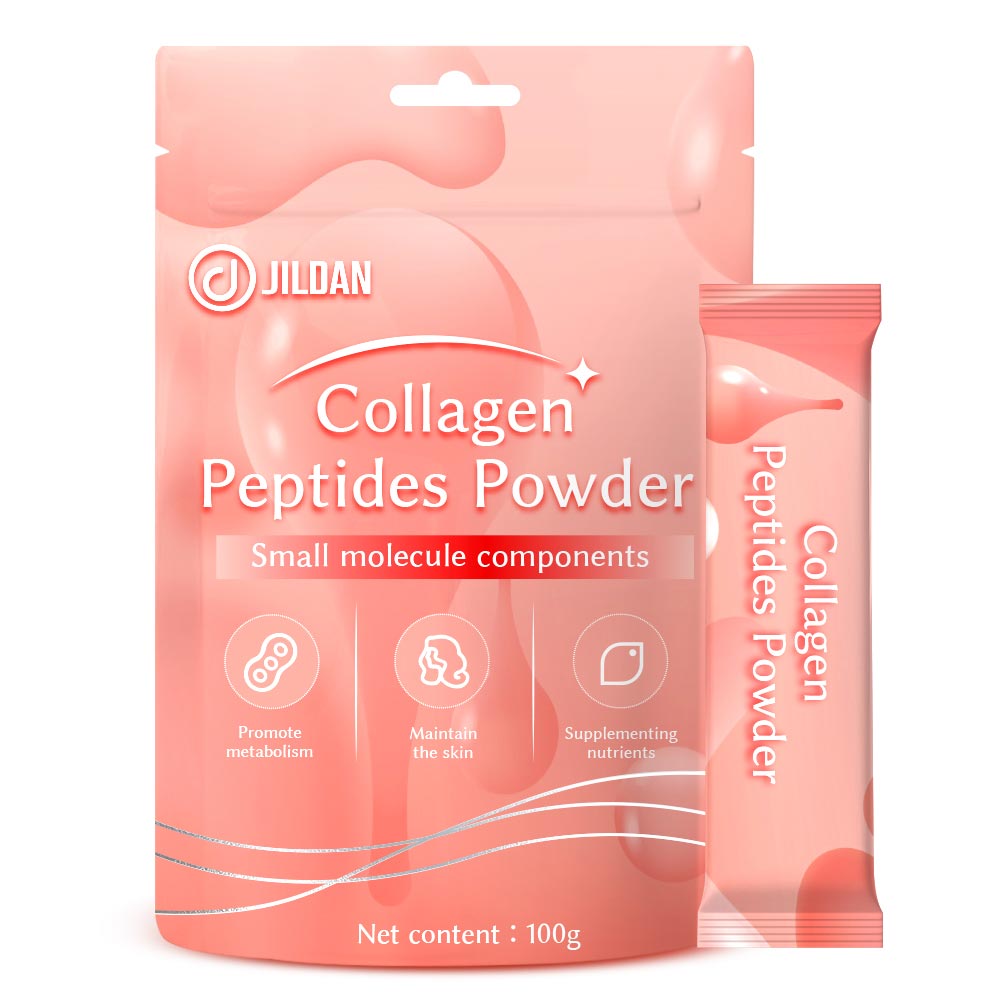
Collagen peptides are now used across beauty nutrition, healthy-aging products, sports supplements, functional beverages, powders, gummies, and liquid supplements. That versatility has created a new challenge for supplement brands: the word “collagen” can refer to ingredients that are related but technically quite different.
Hydrolyzed collagen, péptidos de colágeno, collagen tripeptides, gelatin, native collagen, bovine collagen, and marine collagen are often discussed together. Yet they differ in processing, molecular structure, solubility, sensory behavior, dose format, raw-material source, and the type of research available to support them.
For a brand developing a collagen product, those differences matter.
A powder designed to dissolve into coffee or water requires a different ingredient profile from a ready-to-drink beauty supplement. A gummy has different active-loading limits from a scoopable powder. A premium collagen tripeptide concept may require different documentation and analytical specifications from a conventional hydrolyzed collagen formula.
The key sourcing question is therefore not simply:
“Which collagen is best?”
A more useful question is:
“Which collagen ingredient has the right source, peptide profile, functionality, evidence, manufacturing behavior, and consumer experience for this particular product?”
This guide compares péptidos de colágeno, collagen tripeptides, gelatin, and related collagen formats from the perspective of supplement formulation, manufacturing, quality control, and product positioning.
¿qué son los péptidos de colágeno?
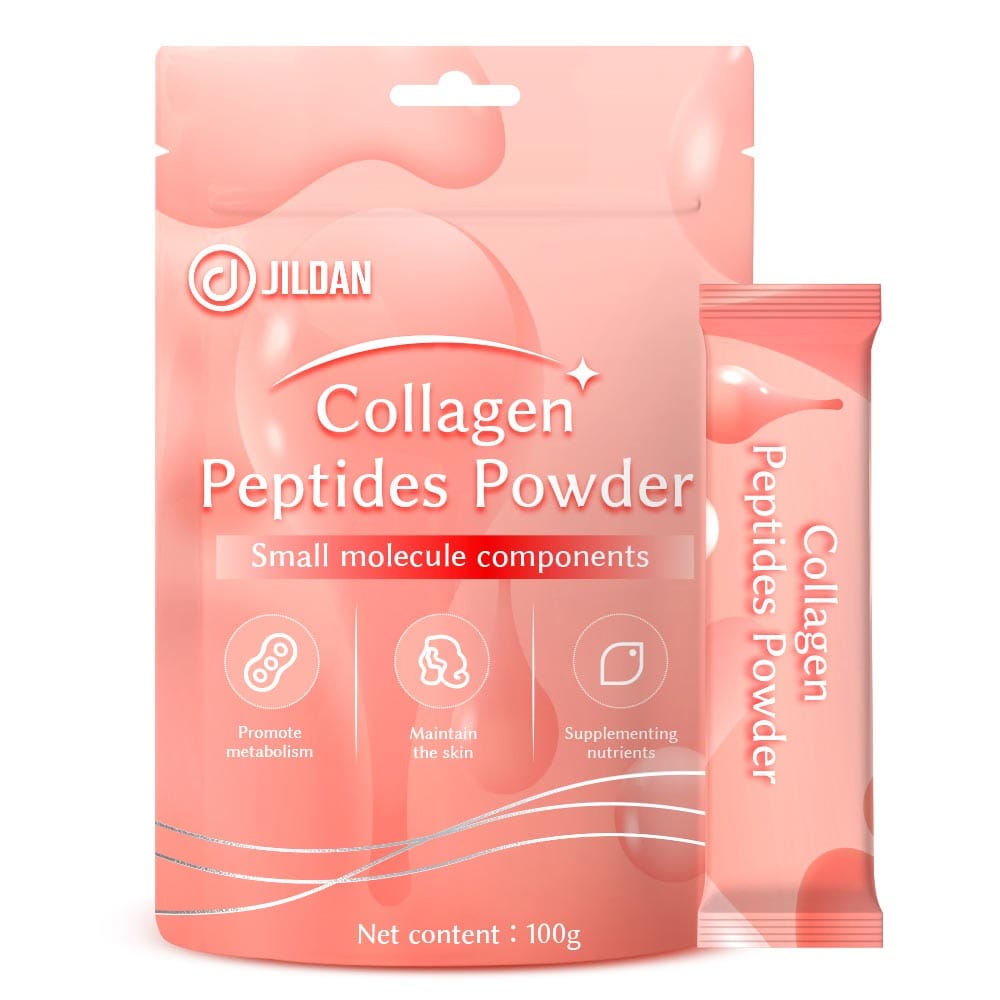
Collagen peptides are produced when collagen proteins are broken into smaller peptide fragments through hydrolysis.
Native collagen has a large, highly organized triple-helix structure. Hydrolysis breaks that structure down into smaller chains that are generally more soluble and easier to incorporate into nutritional products.
This is why the terms péptidos de colágeno, hydrolyzed collagen, and collagen hydrolysate are frequently used for closely related ingredient categories.
Scientific literature also commonly uses the term collagen hydrolysate when studying orally consumed collagen supplements.
A review published in the scientific literature explains that hydrolysis reduces the large collagen structure into considerably smaller peptide fractions and that manufacturing conditions can influence the resulting peptide profile and molecular-weight distribution. You can review the full paper through the U.S. National Library of Medicine’s PubMed Central database.
For supplement brands, this means the name péptidos de colágeno does not tell you everything about an ingredient.
Two raw materials may both be sold as péptidos de colágeno while differing in:
- fuente animal;
- tip colagen;
- distribuirea dimensiunilor peptilor;
- hydrolysis conditions;
- sabor;
- olor;
- solubilidad;
- cont de proteină;
- mineral content;
- supporting studies.
The purchasing specification therefore matters more than the front-label terminology.
Collagen Peptides and Hydrolyzed Collagen: Is There a Real Difference?
One of the most common consumer search questions is whether péptidos de colágeno and hydrolyzed collagen are different.
In most supplement applications, the terms describe the same general category of processed collagen.
“Hydrolyzed collagen” describes what has happened to the original collagen protein: it has undergone hydrolysis.
“Collagen peptides” describes the smaller peptide fragments produced through that process.
For product developers, it is more useful to compare the underlying specifications than to debate the terminology.
Important differences can include:
- average molecular weight;
- peptide distribution;
- source material;
- cont de proteină;
- amino acid composition;
- solubilidad;
- sabor;
- olor;
- límites de contaminantes.
The fact that two ingredients are both labeled péptidos de colágeno does not automatically mean they will perform identically in a finished formula.
A manufacturer should therefore evaluate the actual technical documentation.
Brands can review JD Nutra’s existing article on collagen peptides supplements and product-development opportunities for additional background on how this ingredient is used across beauty and wellness formulations.
Collagen Tripeptides Are a More Specific Peptide Fraction
Collagen tripeptides are not simply a different marketing name for ordinary péptidos de colágeno.
The term refers to collagen-derived peptides made from three amino acids.
Certain collagen tripeptide preparations are designed to contain higher concentrations of specific short peptide sequences such as Gly-Pro-Hyp.
Research has investigated whether these small peptides show different absorption characteristics from broader collagen hydrolysate preparations.
For example, a human study indexed in PubMed compared collagen preparations containing different levels of tripeptides. The researchers observed higher post-ingestion levels of certain collagen-derived peptides, including Gly-Pro-Hyp and Pro-Hyp, following ingestion of tripeptide-rich preparations. The study is available through PubMed.
This finding is interesting from a product-development perspective, but it should not be turned into the claim that every collagen tripeptide product is automatically superior to every conventional collagen hydrolysate.
The actual commercial ingredient still needs to be evaluated for:
- peptide composition;
- especificación;
- apoyarea cercetare;
- proceso de fabricación;
- nivel de servicio;
- fuente;
- target application.
A collagen tripeptide ingredient can support a differentiated premium concept when the technical documentation and research align with the final product.
Why Smaller Peptides Do Not Automatically Mean a Better Product
The supplement industry often turns technical numbers into marketing shortcuts.
Molecular weight is one example.
A lower average molecular weight may influence solubility, peptide composition, and absorption behavior, but brands should avoid assuming that the smallest possible number automatically creates the best supplement.
Research should be considered at the level of the actual ingredient and outcome.
A 2026 umbrella review of collagen supplementation included 16 systematic reviews representing 113 randomized controlled trials and 7,983 participants. The review found favorable associations across several skin and musculoskeletal outcomes, but the authors also evaluated variation and evidence quality across the literature. The full study can be reviewed on PubMed.
That evidence base includes many different collagen preparations.
Therefore, when comparing péptidos de colágeno, it is more useful to ask:
- What ingredient was studied?
- What source was used?
- What amount was consumed?
- How long was it used?
- What population was studied?
- What outcome was measured?
- Does the commercial ingredient match that study?
A very low molecular-weight specification with no relevant finished-product evidence is not automatically more valuable than a well-characterized ingredient with appropriate documentation.
Collagen Peptides vs Gelatin: Processing Changes Product Functionality
Gelatin and péptidos de colágeno originate from collagen, but they behave very differently in food and supplement manufacturing.
Gelatin retains longer protein chains and has a strong ability to form gels under appropriate conditions.
That property makes gelatin valuable in food manufacturing and conventional gummy production.
Collagen peptides, by contrast, are more extensively hydrolyzed and generally do not create the same gelling structure.
This distinction is crucial.
A scoop of péptidos de colágeno is typically expected to disperse in beverages without turning the liquid into a gel. Gelatin is commonly selected precisely because its structural properties can create a gel.
From a product-development standpoint:
| Characteristic | Péptidos de colágeno | Gelatina |
|---|---|---|
| Processing | More extensively hydrolyzed | Partially hydrolyzed/denatured collagen |
| Peptide size | Generally smaller | Generally larger |
| Cold-water use | Usually more suitable | Más limitado |
| Gelling behavior | Little or no conventional gelling | Strong gelling functionality |
| Powder beverages | Often suitable | Usually less convenient |
| Gummy structure | Can be an active/protein ingredient | Commonly used as a gelling agent |
This means gelatin and péptidos de colágeno should not be substituted for one another without reformulation.
A brand developing a beauty powder may want highly soluble péptidos de colágeno.
A manufacturer developing a gelatin-based gummy may use gelatin primarily for texture while also incorporating hydrolyzed collagen as an additional nutritional ingredient.
The formulation objective determines which material is appropriate.
Bovine vs Marine Collagen Peptides: Source Is a Brand Decision and a Technical Decision
Source is one of the most visible differences between commercial péptidos de colágeno.
Two common sources are bovine and marine materials.
Péptidos de colágeno bovino
Bovine collagen materials are commonly associated with type I and type III collagen.
They are widely used in:
- polvos;
- beauty supplements;
- sports nutrition;
- general wellness formulations.
From a sourcing perspective, brands should evaluate:
- raw-material origin;
- trazabilidad;
- especificación proteica;
- olor;
- gusto;
- contaminant controls;
- religious or dietary certifications where relevant.
Péptidos de colágeno marino
Marine materials are commonly associated primarily with type I collagen and are often used in beauty-oriented positioning.
Marine péptidos de colágeno can be attractive to brands seeking:
- marine-source positioning;
- beauty-from-within concepts;
- functional drinks;
- premium powder formats.
However, source-specific considerations can include:
- fish allergen labeling;
- raw-material traceability;
- odor management;
- especificaciones de metales pesados;
- sustainability documentation.
Neither source is universally better.
The appropriate source depends on the target consumer, market, formulation, certification needs, and brand story.
A péptidos de colágeno supplier or manufacturer should be able to explain exactly where the collagen originates rather than describing it only as “premium collagen.”
Type I, II, and III Collagen Should Not Be Treated as Interchangeable Marketing Terms
Collagen exists in multiple types within the body.
Types I, II, and III are among those most frequently discussed in supplement marketing.
However, brands should be careful when connecting collagen type directly with specific consumer outcomes.
The raw-material source influences which collagen types are present, and different research preparations may focus on different applications.
For example, hydrolyzed type I collagen has been studied in relation to several musculoskeletal outcomes. A recent systematic review evaluating type I collagen hydrolysate and bone, muscle, and joint outcomes is available through PubMed.
This does not justify claiming that all péptidos de colágeno produce identical results.
For product development, collagen type should be documented as part of the ingredient story when relevant, but the finished-product claims still need to be based on appropriate evidence.
Product Format Can Matter More Than Peptide Marketing
One of the most useful ways to choose péptidos de colágeno is to begin with the intended dosage form.
Péptidos de colágeno en polvo
Powders are particularly suitable when brands want to deliver gram-level servings.
They can support:
- unflavored products;
- mezclas de bebidas aromatizadas;
- paquetes de palos;
- tina;
- sports nutrition combinations;
- beauty powders.
The formulation team needs to evaluate:
- dispersibilidad;
- densitate întrebă;
- sabor;
- olor;
- flux de pudră;
- sitări de serviciu;
- embalaje.
JD Nutra categoría de fabricación de suplementos en polvo provides an internal reference for brands evaluating powder-based supplement projects.
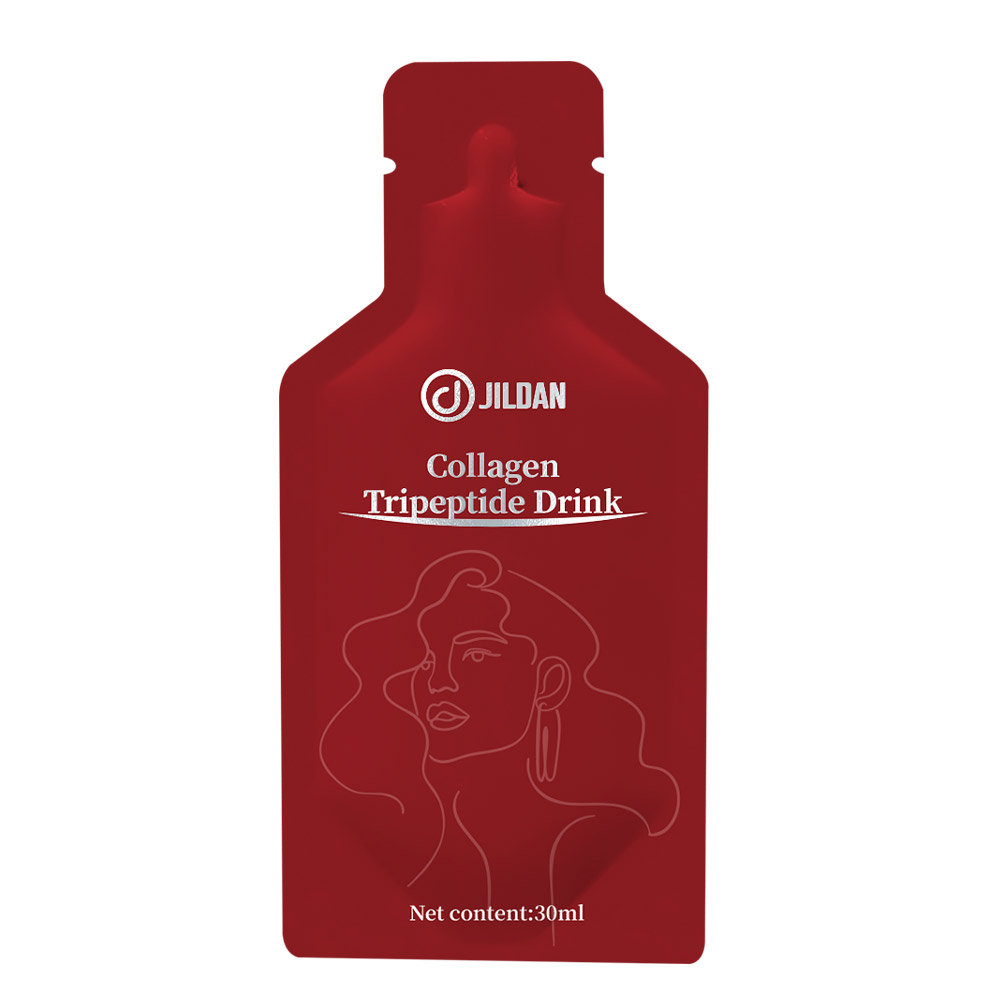
Liquid Collagen Products
Liquid formats can offer strong convenience and premium beauty positioning.
However, putting péptidos de colágeno into a liquid introduces additional requirements involving:
- solubilidad;
- sabor;
- pH;
- preservation;
- microbiological control;
- embalaje;
- estabilidad.
JD Nutra currently demonstrates collagen-containing liquid stick-pack concepts on its website and supports broader liquid supplement manufacturing.
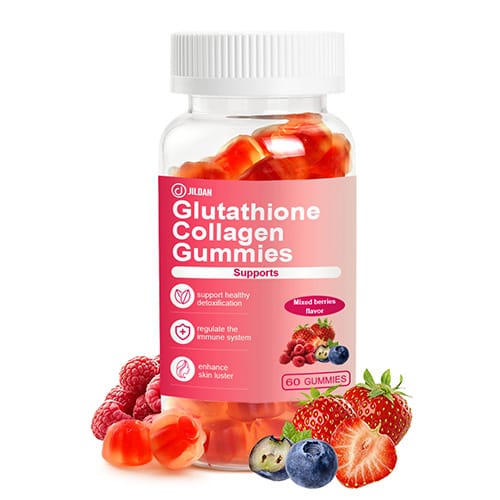
Gomitas de colágeno
Gummies can deliver a highly convenient consumer experience, but active loading is more restricted.
A scoop of powder can accommodate several grams of péptidos de colágeno relatively easily. Delivering the same quantity through a small number of gummies can be much more challenging.
Brands therefore need to decide whether collagen is:
- the main nutritional ingredient;
- one component of a beauty gummy;
- part of a protein-oriented gummy concept.
JD Nutra gummy supplement category can be used to evaluate how collagen-containing concepts fit alongside other functional gummies.
Solubility Is More Important Than It Looks on a Specification Sheet
For powdered and liquid products, solubility can directly affect consumer satisfaction.
A technically acceptable péptidos de colágeno ingredient may still create a poor finished product if it:
- clumps;
- forms sediment;
- produces excessive foam;
- has strong odor;
- leaves an unpleasant aftertaste.
This is particularly important for products intended to be mixed into:
- agua;
- café;
- batidos;
- jugo;
- functional beverages.
Product developers should test the ingredient under realistic use conditions rather than only evaluating a dry raw-material sample.
Las preguntas útiles incluyen:
- Does it disperse in cold water?
- How quickly does it dissolve?
- Does temperature change its behavior?
- Does it create foam?
- Does flavor become stronger after storage?
- Does the powder remain free flowing?
A péptidos de colágeno raw material that performs well in one product may not be ideal for another.
For example, an unflavored bulk powder has different sensory requirements from a lightly flavored beauty beverage.
Flavor and Odor Can Determine Whether Consumers Reorder
Collagen has a distinctive raw-material origin, and inadequate processing or formulation can leave noticeable taste and odor.
This is one reason quality differences between péptidos de colágeno can become obvious during prototype development.
Product developers should evaluate sensory quality before committing to a commercial source.
For flavored products, masking strategies may include:
- fruit profiles;
- acidez;
- dulzura;
- cocoa or coffee-compatible flavors;
- aroma management.
However, strong flavor should not be used to hide a poorly controlled raw material.
A manufacturer should first confirm that the péptidos de colágeno themselves meet the agreed sensory specification.
This is especially important for marine-derived ingredients, where odor management can be a major consideration in consumer-facing products.
Protein Content and Amino Acid Profile Should Be Understood Correctly
Collagen is a protein, but it is not nutritionally identical to proteins commonly used as complete dietary protein sources.
Collagen is particularly rich in amino acids associated with its structural protein profile, including glycine, proline, and hydroxyproline.
However, collagen is not generally regarded as a complete protein supplying all essential amino acids in the proportions expected from complete dietary proteins.
That means brands should avoid positioning péptidos de colágeno as a direct nutritional replacement for every conventional protein source.
A sports product can contain both péptidos de colágeno and other proteins when the formulation strategy supports it, but the purpose of each ingredient should be clear.
JD Nutra’s current manufacturing portfolio includes protein gummy concepts using collagen-related ingredients alongside other protein sources, demonstrating how collagen can be incorporated into more complex protein formulations.
How Strong Is the Evidence for Collagen Peptides and Skin Health?
Skin-related searches are one of the largest consumer-interest areas around péptidos de colágeno.
Scientific evidence exists, but marketers should represent it accurately.
A 2026 systematic literature review identified 25 ensayos controlados aleatorios evaluating oral hydrolyzed collagen and skin-related outcomes. Improvements were reported in several trials examining hydration, elasticity, and wrinkle-related measurements, but results varied across studies and outcomes. The review is available through PubMed.
This kind of evidence can support product education, but it should not be simplified into guaranteed cosmetic outcomes.
Results can depend on:
- pregătirea colagenului;
- dosis;
- duración del estudio;
- participant population;
- study design.
A supplement brand should therefore avoid statements implying that all péptidos de colágeno will produce a specific visible result within a guaranteed time.
Educational content should explain what research suggests and where uncertainty remains.
Collagen Tripeptide Absorption Research Is Interesting but Needs Context
Collagen tripeptides are often positioned around their small peptide size.
Human research has demonstrated that certain collagen-derived dipeptides and tripeptides can appear in circulation after oral consumption.
For example, the human study available through PubMed detected increased levels of Gly-Pro-Hyp and Pro-Hyp after ingestion of specific tripeptide-rich collagen preparations.
Another study examined the systemic absorption of Gly-Pro-Hyp after consumption of a defined collagen peptide preparation. The research is available through PubMed.
These studies give product developers valuable information about peptide behavior.
However, they do not mean that a generic “tripeptide” label is enough.
Al comparar péptidos de colágeno with tripeptide-rich ingredients, ask:
- Which tripeptides are measured?
- What concentration is specified?
- How is the ingredient tested?
- Is there research on this exact preparation?
- What serving level was studied?
- Does the finished product deliver a comparable amount?
This prevents technical language from becoming unsupported marketing.
Collagen Peptides Need Raw-Material Specifications Beyond Protein Percentage
Protein percentage is useful, but it is not sufficient for evaluating péptidos de colágeno.
A purchasing specification can also consider:
- fuente de materia prima;
- protein;
- hidrata;
- ceniza;
- distribuirea ponderului molecular;
- caracteristici sensoriale;
- limite microbiologice;
- metale grele;
- otros contaminantes relevantes.
Marine-source ingredients may also require allergen-related documentation.
Depending on target markets and sourcing requirements, brands may request additional traceability, certification, or sustainability information.
A qualified manufacturer should know what each document demonstrates.
A supplier COA should not simply be collected and filed without review.
The procurement team should understand:
- what was tested;
- which method was used;
- what acceptance limit applies;
- whether the result is lot specific.
For private-label projects, JD Nutra’s servicios complementarios de CDMO provide a pathway for coordinating ingredient sourcing, formulation, testing, manufacturing, and packaging within one development process.
Finished-Product Testing Depends on the Dosage Form
Pruebas péptidos de colágeno raw material is only one part of quality control.
The finished product introduces additional variables.
For a powder, specifications may include:
- apariencia;
- sabor;
- hidrata;
- net weight;
- microbiologie;
- relevant active or protein specifications.
For liquids, the test plan may also consider:
- pH;
- calidad microbiológica;
- physical stability;
- integridad del paquete.
For gummies, testing may include:
- peso gomoso;
- textura;
- hidrata;
- limite microbiologice;
- relevant compositional specifications.
The appropriate plan should be defined before production.
A collagen product should not rely solely on the incoming raw-material COA if the final manufacturing process substantially changes the commercial product.
Packaging Should Follow the Format, Not Just the Brand Design
Packaging decisions should reflect how the péptidos de colágeno product behaves.
Powder Packaging
Powders may require protection from:
- hidrata;
- apertura repetida;
- contamination;
- poor scoop access.
Possible formats include tubs, pouches, and stick packs.
Liquid Packaging
Liquids need packaging compatible with:
- formulation pH;
- exposición al oxígeno;
- lumina;
- preservation system;
- filling process.
Gomitas
Gummies may need stronger control of moisture migration and texture changes.
A beautiful package that does not adequately protect the product can create shelf-life problems.
Brands should therefore discuss packaging before stability work begins.
Claims Should Follow the Ingredient Evidence, Not Search Trends
Search engines contain countless claims about péptidos de colágeno, including skin, hair, nails, joints, bones, muscle, digestion, and healthy aging.
Search popularity is not the same thing as claim substantiation.
A supplement brand should evaluate each intended claim against:
- the actual collagen ingredient;
- dosis;
- población de estudio;
- duración del estudio;
- target market.
This is particularly important when clinical research uses a specifically characterized ingredient.
Evidence from that ingredient should not automatically be transferred to every hydrolyzed collagen material.
For products sold in the United States, dietary supplement claims also need to fit the relevant regulatory framework. Brands can review the Guía de etiquetado de suplementos dietéticos de la FDA when developing label and product-page content.
How Supplement Brands Should Compare Collagen Peptides Suppliers
A structured comparison is more useful than selecting a supplier based on one specification.
Ask potential suppliers about:
Ingredient Source
- Bovine, marine, porcine, poultry, or another source?
- Which tissue is used?
- What traceability is available?
Peptide Specification
- Is the ingredient conventional hydrolyzed collagen?
- Is a molecular-weight distribution provided?
- Is it a defined tripeptide-rich material?
- Which peptides or markers are measured?
Sensory Characteristics
- How does the ingredient taste?
- Is there noticeable odor?
- How does it dissolve?
Calidad
- What contaminant specifications apply?
- ¿Qué límites microbiológicos se aplican?
- Is each batch documented by COA?
Research
- Is the ingredient supported by published research?
- Does the research use the same commercial preparation?
- What serving level was studied?
Fabricación
- Can the supplier support the intended dosage form?
- Can the formula be customized?
- Can repeat production maintain the same specification?
These questions help distinguish meaningful technical differences between péptidos de colágeno rather than relying on vague claims such as “premium,” “advanced,” or “high absorption.”
Which Collagen Format Fits Different Product Concepts?
There is no universal winner.
Choose Conventional Collagen Peptides When:
- gram-level servings are required;
- powder or beverage flexibility is important;
- neutral sensory characteristics are available;
- the brand wants a recognizable mainstream collagen ingredient.
Consider Collagen Tripeptides When:
- the brand wants a more technically differentiated peptide story;
- the ingredient has a defined tripeptide specification;
- supporting research matches the commercial material;
- premium liquid or beauty positioning fits the target customer.
Consider Gelatin When:
- gelling functionality is actually needed;
- the ingredient is being used structurally in a food or gummy system;
- beverage solubility is not the primary requirement.
In some formulas, gelatin and péptidos de colágeno may even be used for different purposes within the same product.
This is why choosing ingredients by product function is more useful than simply choosing whichever term sounds more advanced.
Preguntas frecuentes
Are collagen peptides the same as hydrolyzed collagen?
In most supplement contexts, péptidos de colágeno and hydrolyzed collagen refer to the same general category of collagen that has undergone hydrolysis to create smaller peptide fragments.
The specific technical characteristics can still vary between ingredients.
Are collagen tripeptides the same as collagen peptides?
Collagen tripeptides are a more specific peptide fraction. Conventional péptidos de colágeno contain peptide chains of varying sizes, whereas tripeptide-focused materials are designed to contain higher levels of three-amino-acid sequences.
Is gelatin the same as collagen peptides?
No. Although both originate from collagen, gelatin retains stronger gelling properties, while péptidos de colágeno are more extensively hydrolyzed and are generally more suitable for easily dispersible supplement products.
Are marine collagen peptides better than bovine collagen peptides?
Neither source is universally better.
The choice depends on product positioning, collagen type, sensory requirements, allergen considerations, traceability, certifications, and the technical specification of the ingredient.
Do smaller collagen peptides always absorb better?
Peptide size can influence absorption behavior, but smaller does not automatically mean a finished product will produce better clinical outcomes. Ingredient-specific research and appropriate serving levels remain important.
Can collagen peptides be used in gummies?
Yes, but gummies have limited physical capacity compared with powders. This means péptidos de colágeno may be included at lower amounts or as part of a broader beauty or protein formula.
Are collagen peptides suitable for liquid supplements?
Yes. Their solubility makes péptidos de colágeno suitable for many liquid and stick-pack concepts, although pH, flavor, preservation, stability, and packaging still need to be evaluated.
What should brands request from a collagen peptides supplier?
Ask for source information, product specifications, COA, protein content, relevant molecular-weight data, microbiological and contaminant limits, sensory information, traceability, and research relevant to the ingredient when claims depend on it.
Conclusión
Choosing between gelatin, collagen tripeptides, and conventional péptidos de colágeno should begin with the finished product rather than with marketing terminology.
For mainstream powders and beverages, péptidos de colágeno offer strong formulation flexibility because they can support gram-level servings, good dispersibility, and a wide variety of product concepts.
Collagen tripeptides can create a more specialized formulation when the ingredient has a clearly defined peptide profile and relevant research.
Gelatin serves a different function because its ability to form gels can be valuable in food and gummy manufacturing but less suitable for products expected to dissolve easily in beverages.
Source matters as well.
Bovine and marine péptidos de colágeno can support different product strategies, but both require careful evaluation of quality, traceability, sensory characteristics, specifications, and target-market requirements.
The most important lesson for supplement brands is that the ingredient name alone does not establish quality.
A better collagen product begins with:
- a defined source;
- a clear peptide specification;
- realistic serving size;
- appropriate dosage form;
- controlled sensory quality;
- relevant testing;
- evidence-aligned claims;
- suitable packaging.
Desarrollo de marcas péptidos de colágeno products can explore JD Nutra’s capacidades de fabricación de suplementos en polvo, liquid supplement manufacturing, y servicios CDMO de suplementos personalizados.
You can also review JD Nutra’s existing article on suplementos de péptidos de colágeno to see how collagen fits into broader beauty and wellness product development.
When the collagen source, target serving, product format, testing requirements, packaging, and destination market are defined, póngase en contacto con JD Nutra to discuss formulation and manufacturing feasibility.