Para las marcas de suplementos, los probióticos pueden parecer engañosamente simples. Elija algunas cepas familiares, establezca un objetivo de UFC, coloque la mezcla en una cápsula o gomita y avance hacia el lanzamiento.
En la práctica, los probióticos son una de las categorías más exigentes en el desarrollo de suplementos dietéticos porque los ingredientes activos son microorganismos vivos. Una fórmula que prueba bien inmediatamente después de la fabricación puede funcionar de manera muy diferente meses después si la selección de cepas, el procesamiento, el control de la humedad, el envasado, el almacenamiento y la distribución no se han considerado como un solo sistema conectado.
Es por eso que un buen proyecto de probióticos comienza con el final de su vida útil en lugar del día de su fabricación.
Para las marcas que desarrollan probióticos, la pregunta central no es simplemente: “¿Cuántos miles de millones de UFC deberíamos poner en la etiqueta?” Es “¿Qué cepas definidas deben estar presentes, en qué cantidad viable, para qué propósito de consumo y producto, y puede el producto terminado mantener esa especificación durante su vida útil prevista?”
El Oficina de Suplementos Dietéticos de los NIH destaca que los efectos de los probióticos pueden ser específicos de cada cepa y que los productos con recuentos más altos de UFC no son necesariamente más eficaces que los productos con recuentos más bajos. También señala que los recuentos viables al final de su vida útil son más significativos que los recuentos sólo en el momento de la fabricación.
Para los propietarios de marcas, eso cambia la forma en que se debe desarrollar, probar, empaquetar y comercializar una fórmula microbiana viva.
Comience con el caso de uso del consumidor, no con una lista de tensiones larga
Uno de los errores más comunes en el desarrollo de productos microbianos vivos es comenzar con una larga lista de ingredientes antes de definir el producto.
Una fórmula que contiene ocho, diez o quince cepas puede parecer impresionante en una etiqueta, pero el recuento de cepas por sí solo no crea un producto más fuerte. Cada cepa debe tener una razón para estar en la fórmula.
Antes de seleccionar cepas, defina cuatro cosas:
- el consumidor previsto;
- el uso previsto;
- la forma de dosificación deseada;
- el mercado objetivo.
Un producto para el bienestar digestivo general puede necesitar una estrategia de desarrollo diferente a la que se aplica a mujeres, niños, viajeros, adultos activos o consumidores que buscan apoyo microbiómico diario.
El canal de ventas previsto también importa. Una fórmula vendida a través del comercio electrónico puede necesitar una fuerte estabilidad a temperatura ambiente porque podría pasar días en redes de paquetes o centros logísticos. Un producto orientado a los profesionales puede priorizar la identificación detallada de la cepa y la documentación técnica. Una gomita dirigida a los consumidores convencionales debe equilibrar el atractivo para el consumidor con la tarea mucho más difícil de mantener viables los microorganismos vivos en una matriz que contiene humedad.
Por esta razón, el resumen del producto debe presentarse antes de la selección de la cepa.
Un informe inicial útil debería decir:
- consumatorul objetivo;
- finalidad principal del producto;
- formato preferido;
- frecuencia de servicio objetivo;
- vida útil deseada;
- condiția de almacenaj pretensat;
- mercado de venta;
- restricciones dietéticas;
- preferința de packaging;
- posicionamiento deseado de la etiqueta.
Una vez que esas variables estén claras, las cepas se pueden seleccionar en función del ajuste en lugar de la familiaridad con el marketing.
Por qué la selección de cepas es más importante que el reconocimiento de especies
Los consumidores suelen reconocer nombres amplios como Lactobacilo o Bifidobacteria, pero las cepas microbianas vivas no son intercambiables simplemente porque pertenecen al mismo género o especie.
Los NIH explican que los probióticos se identifican por género, especie y designación de cepa. Diferentes cepas pueden tener diferentes propiedades biológicas, lo que significa que la evidencia de una cepa no debe aplicarse automáticamente a otra.
Para las marcas, esto tiene dos consecuencias importantes.
En primer lugar, un proveedor debería poder identificar los microorganismos utilizados en la fórmula con información adecuada a nivel de cepa cuando sea relevante.
En segundo lugar, las afirmaciones de comercialización deben estar relacionadas con la evidencia de las cepas y cantidades reales utilizadas, no con un artículo general sobre la especie.
Esto se vuelve especialmente importante cuando se compara una mezcla de productos básicos de bajo costo con una formulación más documentada.
Al evaluar cepas candidatas, pregunte:
- ¿cuál es la designación de cepa completa?
- ¿Está documentada la identidad de la cepa?
- ¿Existe investigación en humanos relevante para el posicionamiento propuesto?
- ¿Qué dosis se utilizó en la investigación?
- ¿Qué tan estable es la tensión en el formato de entrega previsto?
- ¿Qué condiciones de temperatura y humedad puede tolerar?
- ¿Existen datos de compatibilidad con los demás ingredientes?
- ¿Existen restricciones de propiedad intelectual o de licencia?
- ¿Cómo se cuantificará la deformación en el producto terminado?
Un nombre de especie reconocible puede ayudar a los consumidores a comprender una etiqueta, pero la identidad y la evidencia de la cepa son herramientas de desarrollo más útiles.
CFU es importante, pero más no es automáticamente mejor
La UFC, o unidades formadoras de colonias, es la medida más familiar asociada con los probióticos. Representa microorganismos viables capaces de formar colonias en condiciones de prueba específicas.
El número es importante, pero es fácil de usar mal.
El Hoja informativa sobre probióticos de los NIH señala que muchos suplementos contienen miles de millones de UFC por dosis, pero un recuento más alto no significa necesariamente un producto más eficaz. El nivel apropiado depende de la cepa, la evidencia, el concepto del producto y la cantidad que sigue siendo viable con el tiempo.
Para las marcas, hay tres preguntas de CFU diferentes.
¿cuál es la UFC objetivo por porción?
Esto debe basarse en la posición y la evidencia del producto, no simplemente en el deseo de imprimir el mayor número posible en la etiqueta frontal.
Una marca debe retroceder respecto del uso previsto y la evidencia de respaldo en lugar de seleccionar primero un número de UFC de aspecto dramático y buscar cepas más adelante.
¿qué UFC se requiere en la fabricación?
Debido a que los probióticos pueden perder viabilidad con el tiempo, es posible que un fabricante necesite formular por encima del objetivo declarado de fin de vida útil. Esta cantidad adicional a menudo se denomina exceso.
El exceso de edad no debe elegirse casualmente. Debe estar respaldado por expectativas de estabilidad para las cepas reales, la forma farmacéutica, el empaque y las condiciones de almacenamiento.
Agregar un exceso grande no puede compensar una fórmula fundamentalmente inestable.
¿qué UFC permanece al final de su vida útil?
Este es el número que más importa para una fórmula bien diseñada.
Orientación sobre mejores prácticas del Asociación Internacional de Probióticos recomienda que la cantidad de probióticos marcada refleje microorganismos viables al final de la vida útil indicada y no sólo en el momento de la fabricación.
Para los equipos de adquisiciones, esto significa que una especificación CFU inicial muy alta puede ser menos significativa que una garantía de fin de vida útil más baja pero bien respaldada.
Probióticos de un solo tren versus probióticos de múltiples trenes: ¿qué enfoque se adapta al producto?
Tanto las fórmulas monocepa como las multicepa pueden ser válidas. La mejor opción depende de lo que el producto intenta lograr.
Una fórmula de cepa única puede facilitar la alineación de la evidencia. La marca puede centrarse en un microorganismo definido, un objetivo de dosis, un perfil de estabilidad y una historia clara del producto.
Las fórmulas multideformación pueden crear un concepto más amplio, pero la complejidad aumenta rápidamente.
Cada cepa agregada puede afectar:
- pruebas analíticas;
- planificación de estabilidad;
- abastecimiento de ingredientes;
- estructura de costos;
- dimensiunea dozei;
- documentație;
- fundamentarea reclamații;
- compatibilidad;
- pruebas de productos terminados.
Los productos de múltiples cepas también crean un desafío analítico: confirmar el recuento total de viables suele ser más fácil que cuantificar con precisión varias cepas estrechamente relacionadas de forma independiente en una mezcla terminada.
Una regla de decisión útil es simple.
Elija una sola variedad cuando el producto se base en una historia de evidencia claramente definida y la simplicidad sea valiosa.
Elija múltiples cepas cuando cada cepa tenga un papel definido y la combinación pueda justificarse técnica y comercialmente.
No cree probióticos de múltiples cepas simplemente porque los productos de la competencia utilicen etiquetas largas. Más microorganismos en el panel Datos del suplemento no crean automáticamente un producto más diferenciado o creíble.
Las gomitas, cápsulas y polvos de probióticos se comportan de manera diferente
La forma de dosificación no es simplemente una preferencia del consumidor. Cambia el entorno técnico en el que deben sobrevivir los microorganismos vivos.
Cápsulas
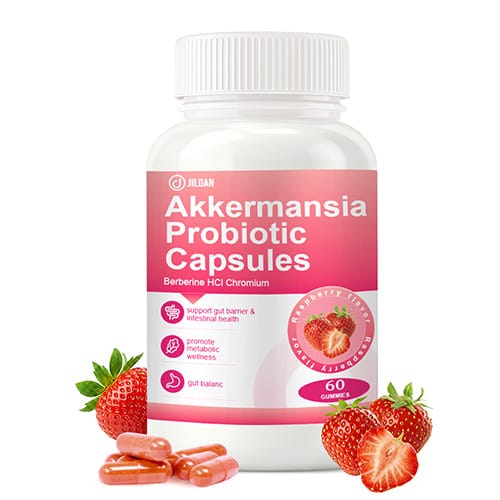
Las cápsulas se utilizan ampliamente porque pueden proporcionar un entorno de administración relativamente seco y permitir una dosificación flexible.
Sin embargo, el desarrollo de la cápsula aún requiere atención a los excipientes, la humedad, el oxígeno, el tipo de cubierta, el peso del relleno, el almacenamiento y el embalaje.
Una cepa que funciona bien en un contenedor controlado de materia prima aún debe seguir siendo viable después de mezclarla, llenarla, transportarla y pasar meses dentro del paquete comercial.
Las marcas que consideren este formato pueden revisar las disponibles opciones de fabricación de suplementos de cápsulas al decidir si la fórmula y el tamaño de la porción objetivo se ajustan a la forma farmacéutica.
Polvos y sobres
Los polvos pueden funcionar bien para conceptos de dosis altas o múltiples ingredientes, pero se debe evaluar la actividad y compatibilidad del agua de cada componente de la mezcla.
Los sistemas de sabores, fibras, prebióticos, minerales, ingredientes botánicos y excipientes higroscópicos pueden cambiar el entorno que rodea a los cultivos vivos.
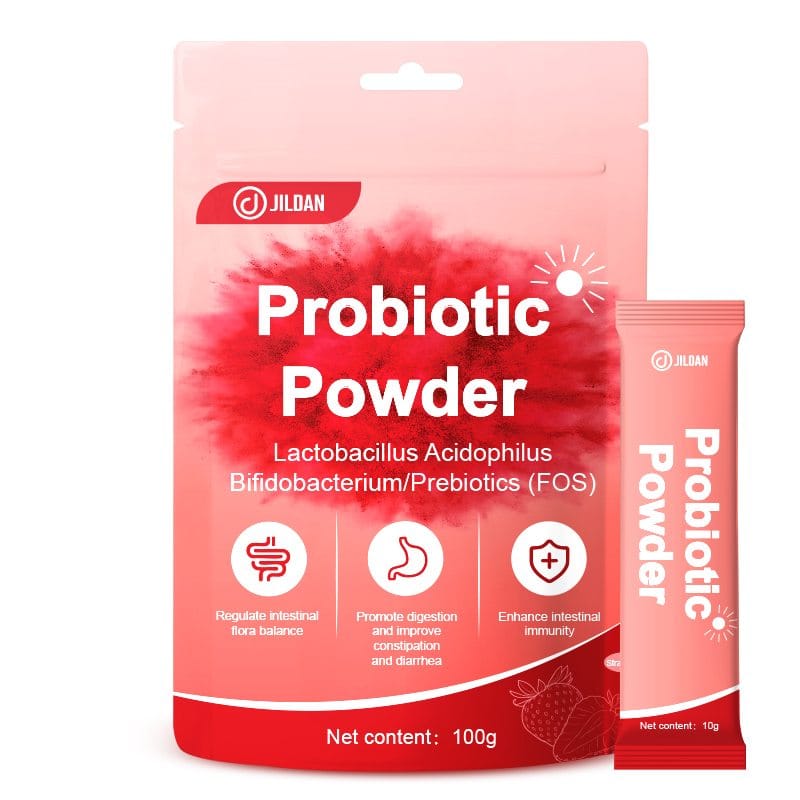
Los sobres o paquetes de barras de una sola porción también pueden proporcionar una protección útil contra la humedad cuando se selecciona una película de barrera adecuada. Pueden resultar atractivos para viajes, muestreos, programas de suscripción y productos en los que no es deseable abrir repetidamente un recipiente más grande.
Gomitas
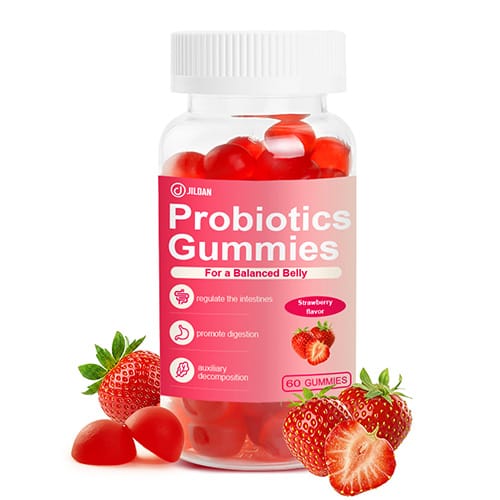
Las gomitas son atractivas para los consumidores, pero técnicamente desafiantes para los probióticos porque la fabricación de gomitas convencionales puede implicar calor, humedad y condiciones ácidas.
Eso significa que la elección de la tensión y el proceso de fabricación se vuelven críticos.
Una formulación puede requerir cepas tolerantes al calor, tecnologías protectoras, pasos de adición cuidadosamente controlados u otros enfoques diseñados en torno a la supervivencia.
Las marcas que exploren este formato deberían tratar gomitas probióticas como un proyecto de formulación especializado en lugar de una gomita convencional con cultivos vivos simplemente agregados al final.
Por lo tanto, se debe elegir el formato adecuado equilibrando la experiencia del consumidor con requisitos de estabilidad realistas.
Actividad del agua, temperatura, oxígeno y estabilidad del tiempo de conducción
Para muchos productos microbianos vivos, el mayor desafío comercial no es la potencia inicial. Es mantener la viabilidad durante todo el almacenamiento.
Una revisión científica de la producción y entrega de probióticos identifica la actividad del agua y la temperatura de almacenamiento como factores importantes que afectan la estabilidad de los suplementos dietéticos secos. Las condiciones de procesamiento, los ingredientes, la exposición al oxígeno y el empaque también pueden influir en la supervivencia a largo plazo.
Eso hace que el control ambiental sea una cuestión de formulación, no simplemente una cuestión de almacenamiento.
Actividad hídrica
Incluso cuando el polvo se siente seco, la cantidad de agua disponible puede influir en la estabilidad microbiana.
Los ingredientes higroscópicos pueden atraer humedad hacia una mezcla, mientras que un empaque deficiente en la barrera puede permitir que entre humedad ambiental con el tiempo.
Esto se vuelve especialmente importante en fórmulas que combinan probióticos con fibras, polvos aromatizados, minerales u otros ingredientes que alteran el ambiente de humedad.
Temperatura
Las temperaturas de almacenamiento más altas pueden acelerar la pérdida de viabilidad de muchas cepas.
Esto es especialmente relevante para el comercio electrónico global, el transporte marítimo de verano, el transporte de contenedores, los almacenes y las regiones con climas cálidos.
Por lo tanto, una afirmación sobre la temperatura ambiente debería estar respaldada por la estrategia real de estabilidad de la deformación y del producto terminado y no por el supuesto de que todos los cultivos liofilizados se comportan de manera similar.
Oxígeno
Algunos microorganismos son sensibles a la exposición al oxígeno.
Por lo tanto, el espacio libre de embalaje, las propiedades de barrera, el diseño de cierre, las condiciones de fabricación y la apertura repetida del consumidor pueden ser importantes.
Tiempo
Un producto puede pasar las pruebas de lanzamiento y aun así no cumplir su promesa comercial meses después.
La planificación de la estabilidad debe comenzar durante la formulación y no después del primer lote comercial.
Las marcas deben solicitar protocolos de estabilidad que reflejen el producto terminado real, el paquete y las condiciones de almacenamiento recomendadas.
¿los probióticos necesitan refrigeración?
No necesariamente.
Algunos probióticos requieren almacenamiento refrigerado, mientras que otros pueden permanecer estables a temperatura ambiente controlada cuando la cepa, la formulación, el método de secado, el empaque y las instrucciones de almacenamiento están diseñados adecuadamente.
La pregunta no debería ser simplemente:
“¿Son estables los probióticos en los estantes?”
Ar trebui să fi:
“¿Esta formulación específica es estable en este paquete específico bajo las condiciones de almacenamiento etiquetadas durante la vida útil prevista?”
Para las marcas de comercio electrónico, la estabilidad a temperatura ambiente puede simplificar la satisfacción y el uso por parte del consumidor, pero se debe demostrar la conveniencia en lugar de asumirla.
Al revisar un concepto estable en almacenamiento, pregunte:
- ¿Qué cepas se están utilizando?
- ¿Qué datos de estabilidad admiten el almacenamiento ambiental?
- ¿Qué rango de temperatura se evaluó?
- ¿Se probó el formato final exacto?
- ¿Se probó el paquete previsto?
- ¿el objetivo de CFU está respaldado durante toda su vida útil?
- ¿Qué instrucciones de almacenamiento aparecerán en la etiqueta?
Un proyecto sólido conecta las instrucciones de almacenamiento directamente con la evidencia de estabilidad.
Probióticos y prebióticos: cuando una fórmula sinbiótica tiene sentido
El interés en combinar probióticos con prebióticos ha aumentado porque las dos categorías cumplen funciones diferentes.
Los probióticos son microorganismos vivos. Los prebióticos son sustratos que pueden ser utilizados por microorganismos en el ambiente gastrointestinal. Los productos que contienen ambos pueden desarrollarse como conceptos simbióticos cuando la formulación y la evidencia que los respalda justifican el posicionamiento. El NIH distingue probióticos, prebióticos y productos que combinan ambos en su orientación profesional.
Desde una perspectiva de desarrollo de productos, agregar un prebiótico puede crear una diferenciación útil, pero también cambia la fórmula.
Las fibras prebióticas pueden influir:
- sitări de serviciu;
- volume de pudră;
- texturi gomoso;
- dulzura;
- tolerancia digestiva;
- actividad del agua;
- sabor;
- sensación en boca;
- embalaje.
Una cápsula con cantidades significativas de probióticos y prebióticos también puede resultar difícil porque la cantidad física de material prebiótico puede exceder la capacidad práctica de la cápsula.
Por lo tanto, las marcas deberían evitar añadir un prebiótico simplemente porque el “sinbiótico” suena más avanzado.
En su lugar, pregunte si el ingrediente mejora el concepto del producto, si la cantidad prevista se puede entregar en el formato seleccionado y si la combinación tiene sentido para el consumidor previsto.
El embalaje es parte de la fórmula de los probióticos
El embalaje suele tratarse como una decisión de marca. Para los suplementos microbianos vivos, puede ser parte del sistema de estabilidad.
La misma mezcla puede funcionar de manera diferente dependiendo de si está empaquetada:
- una botella estándar;
- un contenedor de barrera superior;
- envasado en blíster;
- sobres;
- paquetes de palos;
- bolsas;
- porciones protegidas individualmente.
Las preguntas clave sobre embalaje incluyen:
- transmisie de hidrata-vapor;
- barrera oxigenada;
- integridad del cierre;
- espacio de cabeza;
- uso de desecante cuando corresponda;
- exposición a la luz;
- frecuencia de apertura;
- entorno de envío.
Si los consumidores abren una botella todos los días durante dos meses, el producto puede experimentar una exposición repetida a la humedad ambiental. Ese comportamiento del mundo real debe considerarse cuando se selecciona la estrategia de embalaje.
El embalaje también debe finalizarse con suficiente antelación para que la configuración elegida pueda incluirse en el trabajo de estabilidad.
Cambiar el contenedor después de que las pruebas ya hayan comenzado puede hacer que los datos de estabilidad anteriores sean menos representativos del producto comercial final.
Por lo tanto, en el caso de los probióticos, el desarrollo de fórmulas y paquetes debería avanzar juntos.
Etiquetar probióticos requiere más que un gran número de UFC
Las etiquetas deben comunicar información significativa sobre el producto sin exagerar lo que puede hacer la fórmula.
Para productos vendidos en los Estados Unidos, el Guía de etiquetado de suplementos dietéticos de la FDA proporciona el marco general para el etiquetado de suplementos dietéticos. La FDA también ha publicado directrices sobre declaraciones cuantitativas de suplementos dietéticos que contienen ingredientes microbianos vivos.
Se debe revisar una etiqueta bien desarrollada para:
- declaración de identidad;
- Hechos complementarios;
- denominación de ingredientes;
- identitatea microorganismului;
- declarație de cantidad;
- direcciones de servicio;
- condiții de almacenaj;
- cantidad neta;
- informare de firme responsabilă;
- reclamos;
- descargos de responsabilidad cuando sea necesario.
Esta categoría también requiere una cuidadosa disciplina en materia de reclamaciones.
Una fórmula no debe tomar prestada una declaración de propiedades saludables de una investigación que involucre una cepa, cantidad, población o producto terminado diferente.
Por ejemplo, la evidencia que involucra una cepa específicamente identificada no establece automáticamente que todos los microorganismos dentro de la misma especie proporcionen el mismo resultado.
Para marcas que venden en más de un país, la revisión de etiquetas y reclamos debe realizarse mercado por mercado. Una declaración aceptable en una jurisdicción puede ser inapropiada en otra.
Esto debería suceder antes de la aprobación de la obra de arte, no después de que ya se haya producido una gran cantidad de embalaje.
El control de calidad debería abarcar más que las UFC finales
Un sólido programa de calidad comienza antes de la fabricación.
Para suplementos dietéticos destinados a los Estados Unidos, Requisitos actuales de buenas prácticas de fabricación de la FDA exigir a los fabricantes que establezcan y sigan controles diseñados para garantizar la calidad del producto. Los requisitos de CGMP de suplementos dietéticos se abordan en 21 CFR Parte 111.
Las marcas deben considerar la documentación y las pruebas en varias etapas.
Calificación de Materia Prima
Solicite la identificación adecuada de la cepa, especificaciones, calificación del proveedor, condiciones de almacenamiento, trazabilidad del lote y documentación de respaldo.
La especificación de compra debe dejar claro qué microorganismo se ordenó en lugar de basarse en una descripción amplia de ingredientes comerciales.
Manejo entrante
Los ingredientes microbianos vivos pueden requerir un manejo controlado por temperatura y humedad antes de ingresar a la mezcla.
Un ingrediente de alta calidad puede perder valor si se maneja mal antes de que comience la producción.
Controles de producción
La fabricación debe minimizar la exposición innecesaria a la humedad, el calor y otras tensiones que podrían reducir la viabilidad.
El proceso también debe especificar cuándo se introducen ingredientes sensibles y cuánto tiempo permanecen expuestos a las condiciones de procesamiento.
Pruebas de producto terminado
Dependiendo de la fórmula y el mercado objetivo, el plan de prueba puede considerar:
- conteo viable;
- especificaciones microbiológicas;
- contaminantes;
- identitate;
- proprietate fizice;
- parámetros relacionados con la humedad;
- integridad del embalaje;
- otros criterios de calidad específicos del producto.
Liberación por lotes
Un Certificado de Análisis debe corresponder al lote terminado y a las especificaciones establecidas.
Las marcas deben comprender quién revisa los resultados, quién lanza el lote y qué sucede cuando un resultado queda fuera de las especificaciones.
Estabilidad
Las pruebas de estabilidad deben evaluar el producto comercial en su embalaje previsto en condiciones de almacenamiento definidas.
Para los propietarios de marcas, el objetivo no es recopilar la mayor pila posible de certificados. Es comprender si los documentos y controles demuestran que el producto probiótico terminado cumple consistentemente con las especificaciones acordadas.
Cómo evaluar a un fabricante de probióticos
Se debe evaluar al fabricante sobre el producto exacto que se está desarrollando.
Una empresa que puede fabricar cápsulas o gomitas convencionales no tiene experiencia automática en productos microbianos vivos.
Antes de seleccionar un socio fabricante, haga preguntas técnicas.
Preguntas sobre cepas
- ¿Qué cepas probióticas has fabricado antes?
- ¿cómo se identifican y califican las cepas?
- ¿Cómo se almacenan las materias primas?
- ¿puedes admitir fórmulas de una y varias cepas?
- ¿qué documentos de cepa están disponibles?
Preguntas sobre la estabilidad
- ¿qué objetivo al final de su vida útil puede apoyar?
- ¿cómo se determinan los excesos?
- ¿Qué condiciones de almacenamiento se han evaluado?
- ¿Puedes apoyar la planificación de la estabilidad?
- ¿Qué sucede si los resultados caen por debajo de las especificaciones?
Preguntas sobre la fabricación
- ¿Cómo se controlan la temperatura y la humedad?
- ¿en qué paso de procesamiento se agregan los probióticos?
- ¿cómo se gestiona la contaminación cruzada?
- ¿Qué tamaños de lote se adaptan al proyecto?
- ¿qué formas farmacéuticas se producen habitualmente?
Preguntas sobre el embalaje
- ¿qué sistemas de embalaje de barrera están disponibles?
- ¿Se pueden incorporar funciones de embalaje protector?
- ¿Se puede incluir la configuración final del embalaje en el plan de estabilidad?
Preguntas sobre la documentación
- ¿qué incluye el COA del producto terminado?
- ¿se puede proporcionar documentación sobre cepas y materias primas?
- ¿cómo se documentan las desviaciones?
- ¿Cómo se maneja el control de cambios?
- ¿Qué registros y muestras de retención se mantienen?
Si las respuestas siguen siendo puramente promocionales, los equipos de adquisiciones deben seguir preguntando hasta que los detalles técnicos estén claros.
Las marcas que ya tienen un concepto de producto pueden revisar el proceso de servicio de fabricación de suplementos organizar la fórmula, formato, pruebas, empaque y requisitos del proyecto antes de solicitar la producción.
Cree la solicitud de cotización en torno al producto terminado, no solo al ingrediente
Una solicitud útil de cotización debe describir el producto de la forma más completa posible.
En lugar de preguntar únicamente: “¿Cuál es su MOQ para probióticos?” proporcione un resumen estructurado del producto.
Concepto de producto
Incluir:
- consumatorul objetivo;
- posicionamiento previsto;
- forma de dosificación;
- frecuencia de serviciu;
- preferencia monocepa o multicepa.
Especificación de probióticos
Incluir:
- cepas deseadas;
- apuntar a las UFC al final de su vida útil;
- requerimientos de fuente o documentación;
- alérgenos o restricciones dietéticas;
- cualquier evidencia de respaldo preferida.
Ingredientes de apoyo
Especifique si la fórmula puede contener:
- prebióticos;
- vitaminas;
- minerales;
- botánicos;
- sistemas de sabor;
- edulcorantes;
- otros excipientes.
Embalaje
Definiți al máximo:
- botella, blister, bolsa, sobre, paquete de palitos o recipiente de gomitas;
- conteo o peso neto;
- requerimientos desecantes cuando corresponda;
- etiqueta o embalaje impreso;
- embalaje secundario.
Requisitos del mercado
Spune fără fabricante:
- países de destino;
- canale primare de vânzări;
- lenguaje de etiqueta;
- requerimientos de certificación;
- expectativas especiales de distribuidores o minoristas.
Requisitos de calidad
Incluir:
- especificaciones del producto terminado;
- probando expectativas;
- Cerințe COA;
- requerimientos de estabilidad;
- pruebas de terceros cuando sea necesario.
Requisitos Comerciales
Proporcionar:
- expectativas iniciales del pedido;
- volumen de repetición proyectado;
- requerimientos de muestra;
- ventana de lanzamiento de objetivo;
- planes futuros de línea de productos.
Una solicitud de cotización detallada ayuda al fabricante a evaluar si la fórmula es técnicamente realista antes de que ambas partes dediquen tiempo a muestras repetidas, cambios de arte y revisiones de empaque.
Si estás preparando una nueva fórmula, puedes hacerlo póngase en contacto con el equipo de desarrollo del suplemento con el formato previsto, cepas, objetivo de UFC, mercado, empaque y pronóstico.
Errores comunes en la formulación de probióticos que las marcas deben evitar
Elegir cepas únicamente por reconocimiento de nombre
Un nombre de especie familiar no reemplaza la identidad, la evidencia y la documentación específicas de la cepa.
Persiguiendo el número más alto de UFC
Más UFC no significa automáticamente un mejor rendimiento. Una cantidad alineada con la evidencia que siga siendo viable durante toda su vida útil puede contar una historia de mayor calidad.
Garantizando UFC únicamente en la fabricación
El producto debe evaluarse a lo largo de su vida útil prevista, no solo el día de su lanzamiento.
Seleccionar gomitas sin estrategia de supervivencia
El calor, la humedad y la acidez pueden dificultar las gomitas para los microorganismos vivos. El proceso de fabricación debe diseñarse en consecuencia.
Agregar prebióticos sin considerar el tamaño de la porción
Una cantidad significativa de prebiótico puede cambiar la textura, el volumen de llenado, el sabor y los requisitos de empaque.
Finalizar el embalaje demasiado tarde
El embalaje afecta la estabilidad y debe ser parte del desarrollo desde el principio.
Ignorar las condiciones de distribución
Un producto que funciona en un almacén controlado puede experimentar temperaturas y humedad muy diferentes durante el envío global.
Uso de declaraciones de propiedades saludables amplias
La evidencia de una cepa no debe transferirse automáticamente a cada fórmula.
Tratar la estabilidad como una prueba única
La estabilidad debe respaldar la fórmula real, el embalaje, las condiciones de almacenamiento y la declaración de vida útil prevista.
Preguntas frecuentes sobre la formulación de probióticos
¿cuántas cepas debe contener un suplemento probiótico?
No existe un número ideal universal.
Un producto de una sola cepa puede ser apropiado cuando la evidencia y el posicionamiento están enfocados. Los probióticos de múltiples cepas también pueden ser conceptos de producto eficaces, pero cada cepa debe tener una razón técnica clara o basada en evidencia para su inclusión.
El número de cepas debe seguir el concepto del producto en lugar de actuar como concepto del producto.
¿es siempre mejor un recuento más alto de UFC?
No.
Un mayor número de UFC no se traduce automáticamente en una mayor eficacia. El objetivo correcto depende de la tensión, la evidencia que lo respalde, el uso previsto y la cantidad que sigue siendo viable durante su vida útil.
¿deberían garantizarse los probióticos hasta la fecha de vencimiento?
Se debe construir una formulación centrada en la calidad y una estrategia de estabilidad en torno a mantener el nivel viable previsto durante toda la vida útil indicada en las condiciones de almacenamiento etiquetadas.
Un gran número medido sólo inmediatamente después de la fabricación proporciona mucha menos información sobre lo que finalmente recibe el consumidor.
¿se pueden fabricar probióticos como gomitas?
Sí, pero las gomitas crean desafíos de estabilidad adicionales porque el calor, la humedad, la acidez y las condiciones de almacenamiento pueden reducir la viabilidad de los microorganismos.
Por lo tanto, la selección de cepas, el procesamiento, las tecnologías de protección, el embalaje y las pruebas de estabilidad deben diseñarse juntos.
¿son posibles los probióticos estables en el estante?
Sí.
Algunos probióticos pueden formularse para almacenamiento ambiental, pero la estabilidad en almacenamiento depende de la cepa específica, la fórmula terminada, el empaque y las condiciones de almacenamiento. Debe estar respaldado por datos de estabilidad apropiados en lugar de tratarse como una propiedad universal de la categoría de ingredientes.
¿cuál es la diferencia entre probióticos y prebióticos?
Los probióticos son microorganismos vivos destinados a proporcionar un beneficio cuando se administran en cantidades adecuadas. Los prebióticos son sustratos utilizados selectivamente por los microorganismos del huésped.
Los productos que combinan ambos pueden desarrollarse como conceptos simbióticos cuando sean científica y comercialmente apropiados.
¿qué información debe incluir una etiqueta de probiótico?
Los requisitos varían según el mercado, pero el desarrollo del producto debe tener en cuenta la identificación de microorganismos, la información de cantidad, los datos complementarios o el equivalente local relevante, las declaraciones de ingredientes, las instrucciones de almacenamiento, las instrucciones de servicio, las reclamaciones, la información de la empresa responsable y otros elementos de etiqueta requeridos.
¿cuál es la pregunta más importante que debe hacerse a un fabricante de probióticos?
Pregunte cómo demostrará el fabricante que el producto terminado cumple con las especificaciones de calidad y recuento viables acordadas al final de su vida útil en el paquete comercial final.
Esa pregunta obliga a la discusión más allá de las listas de ingredientes y hacia la identidad de la cepa, los controles de fabricación, el empaque, las pruebas y el rendimiento real del producto.
Conclusión
Los suplementos microbianos vivos exitosos se basan en la viabilidad, la evidencia y el control.
La formulación más fuerte no es necesariamente la que tiene la lista de cepas más larga, el número de UFC más alto o la historia de marketing más complicada. Es aquel en el que la identidad de la cepa, la cantidad, el formato, el proceso de fabricación, el embalaje, la etiqueta y el objetivo de vida útil trabajan juntos.
Para las marcas de suplementos, eso significa comenzar con el mercado de consumo y objetivo, elegir cepas que se ajusten al uso previsto, definir un objetivo de UFC al final de su vida útil, seleccionar una forma de dosificación realista, controlar la humedad y la temperatura, planificar el empaque temprano y requiriendo documentación que respalde el producto terminado.
Este enfoque también crea una historia comercial más sólida. En lugar de competir sólo por cuántos miles de millones aparecen en la etiqueta, una marca puede competir en lógica de formulación, estabilidad, transparencia, control de calidad y una especificación de producto que puede reproducirse de un lote a otro.
Si está desarrollando probióticos en gomitas, cápsulas, polvos u otro formato, revise los disponibles opciones de suplementos de gomitas, opciones de fabricación de cápsulas, y servicios de desarrollo de suplementos personalizados antes de finalizar el resumen del producto.
Una vez que el consumidor objetivo, las cepas, las UFC, el formato, el empaque y el mercado están claros, envíe los requisitos de su proyecto para una discusión de desarrollo más enfocada.